Osteoporosis is a common bone disease that weakens bones, making them fragile and more likely to break. As we age, bone density decreases, but with osteoporosis, the bones lose mass at an accelerated rate, leading to increased fracture risks. This condition affects millions worldwide, particularly postmenopausal women, though men and younger individuals are not immune.
Understanding the prevention, symptoms, and treatment options for osteoporosis is essential for maintaining bone health and reducing the risk of serious fractures.
- - Aging:: Bone density naturally decreases with age, particularly after 30.
- - Hormonal changes: Lower levels of estrogen in women (especially post-menopause) and testosterone in men accelerate bone loss.
- - Lifestyle factors: Lack of calcium and vitamin D, a sedentary lifestyle, smoking, and excessive alcohol intake can all increase the risk of osteoporosis.
- - Genetics: A family history of osteoporosis can increase your likelihood of developing the condition.
Symptoms of Osteoporosis
In the early stages, osteoporosis often presents no symptoms. Many people are unaware they have the condition until they suffer a fracture. However, as the disease progresses, symptoms may include:
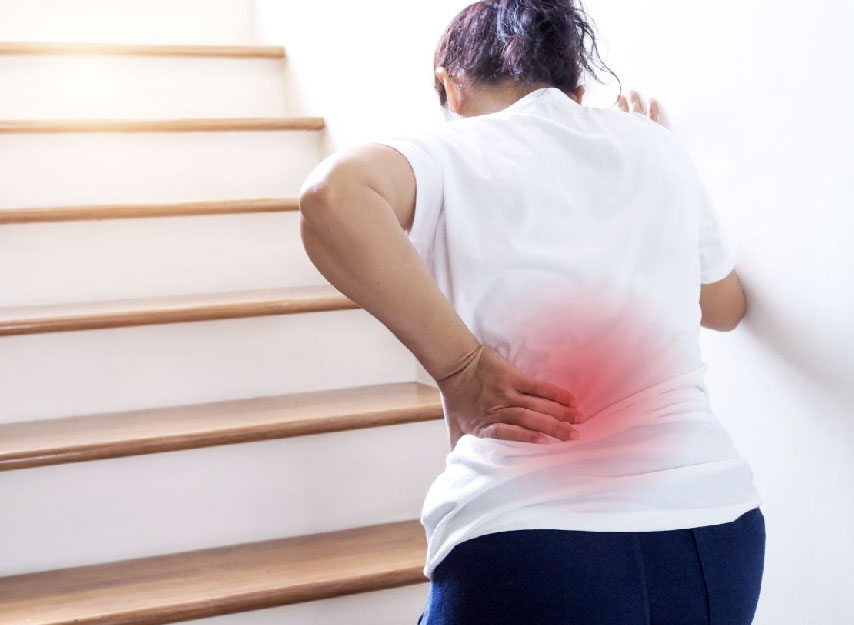
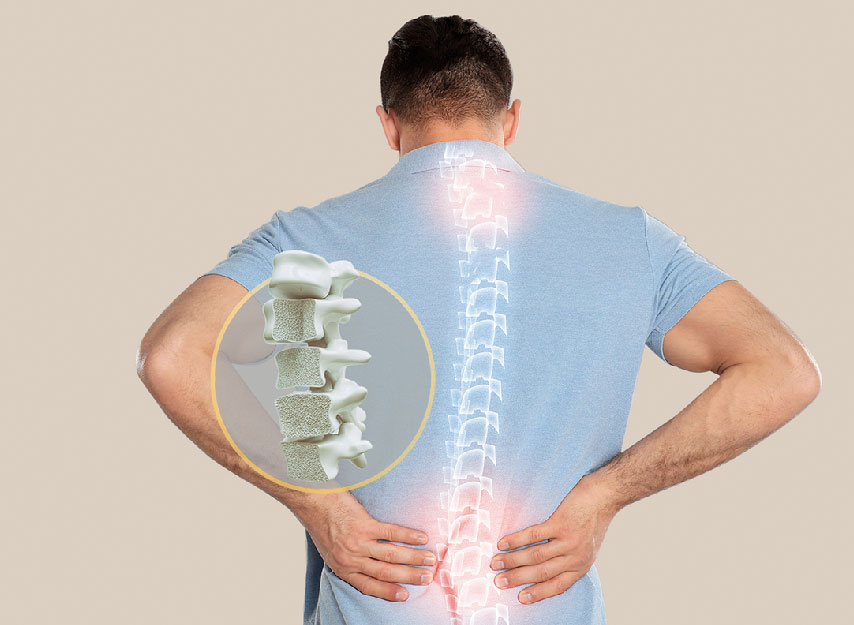
- - Back pain: Caused by fractured or collapsed vertebrae.
- - Loss of height over time: Due to weakened vertebrae.
- - Stooped posture: A common result of bone weakening in the spine.
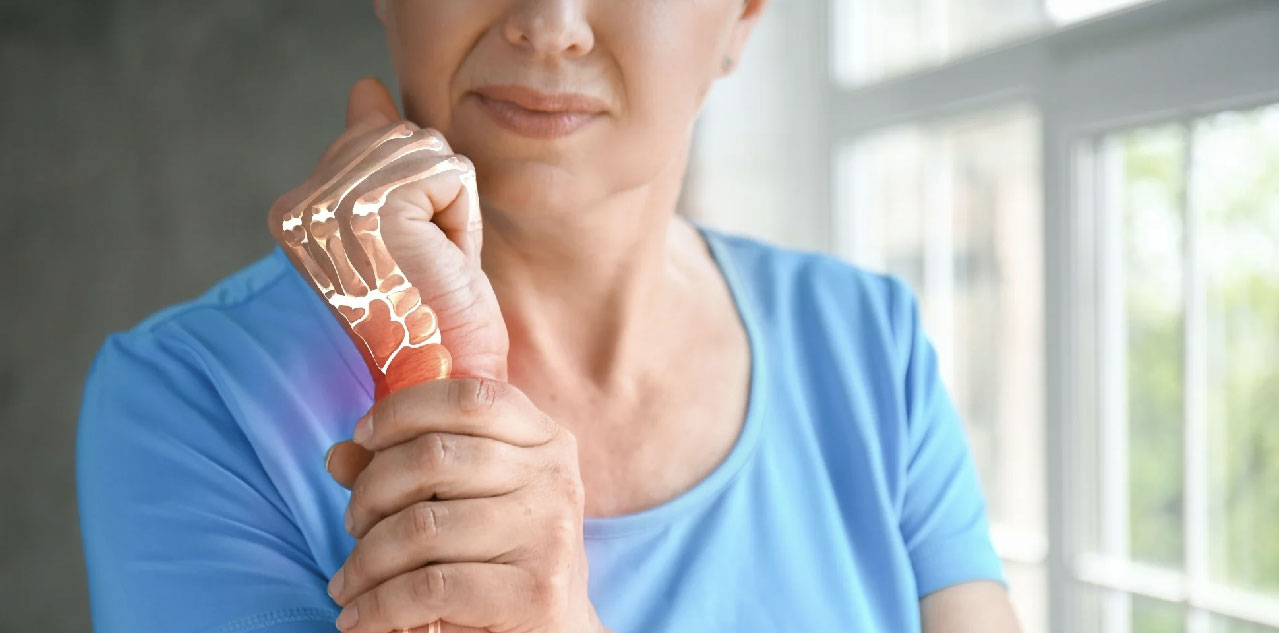
- - Frequent bone fractures: Especially in the wrist, hip, or spine.
Preventing Osteoporosis
While aging and genetics cannot be controlled, there are several proactive steps you can take to maintain bone health and reduce your risk of osteoporosis:
- 1. Ensure Adequate Calcium Intake: Calcium is the key mineral for strong bones. Adults should aim for 1,000 to 1,200 mg of calcium daily, which can be obtained from dairy products, leafy greens, and calcium-fortified foods.
- 2. Get Enough Vitamin D: Vitamin D helps your body absorb calcium. Sunlight exposure and foods like fatty fish and fortified dairy products are good sources, but supplements may be necessary if levels are low.
- 3. Exercise Regularly: Weight-bearing exercises, such as walking, running, and strength training, help maintain bone density. Activities like yoga and tai chi improve balance, reducing the risk of falls and fractures.
- 4. Avoid Smoking and Limit Alcohol: Smoking weakens bones, and excessive alcohol intake interferes with calcium absorption, both contributing to bone loss.
Treatment Options for Osteoporosis
If diagnosed with osteoporosis, several treatments can help manage the condition and prevent further bone loss:
- - Medications: Bisphosphonates are the most common medications prescribed to slow bone loss and reduce fracture risk. Other options include hormone therapy and newer treatments like denosumab and romosozumab.
- - Lifestyle Changes: Along with medications, maintaining a diet rich in calcium and vitamin D, staying physically active, and avoiding harmful lifestyle habits will help improve bone health.
- - Fall Prevention: Making your home safer by removing tripping hazards and improving lighting can reduce the risk of falls and fractures.
Conclusion
Osteoporosis is a silent disease that can lead to serious health complications if left untreated. By focusing on prevention, staying active, maintaining a healthy diet, and seeking treatment when necessary, you can reduce your risk and maintain strong bones throughout your life. If you're concerned about osteoporosis, talk to your healthcare provider about bone density tests and treatment options to keep your bones healthy.