
Clubfoot, or congenital talipes equinovarus (CTEV), is one of the most common congenital foot deformities seen in newborns. It affects approximately 1 in every 1,000 live births and, when treated early, has a very high success rate.
In this blog, we'll cover:
- What is clubfoot?
- Early signs parents should look out for
- Treatment options for children with clubfoot
- What to expect during recovery
- Long-term outcomes with early intervention
What is Clubfoot?
Clubfoot is a condition where a baby's foot is twisted inward or downward at birth. In some cases, both feet are affected. While the condition may look alarming, it is not painful to the infant and highly treatable, especially when diagnosed early.
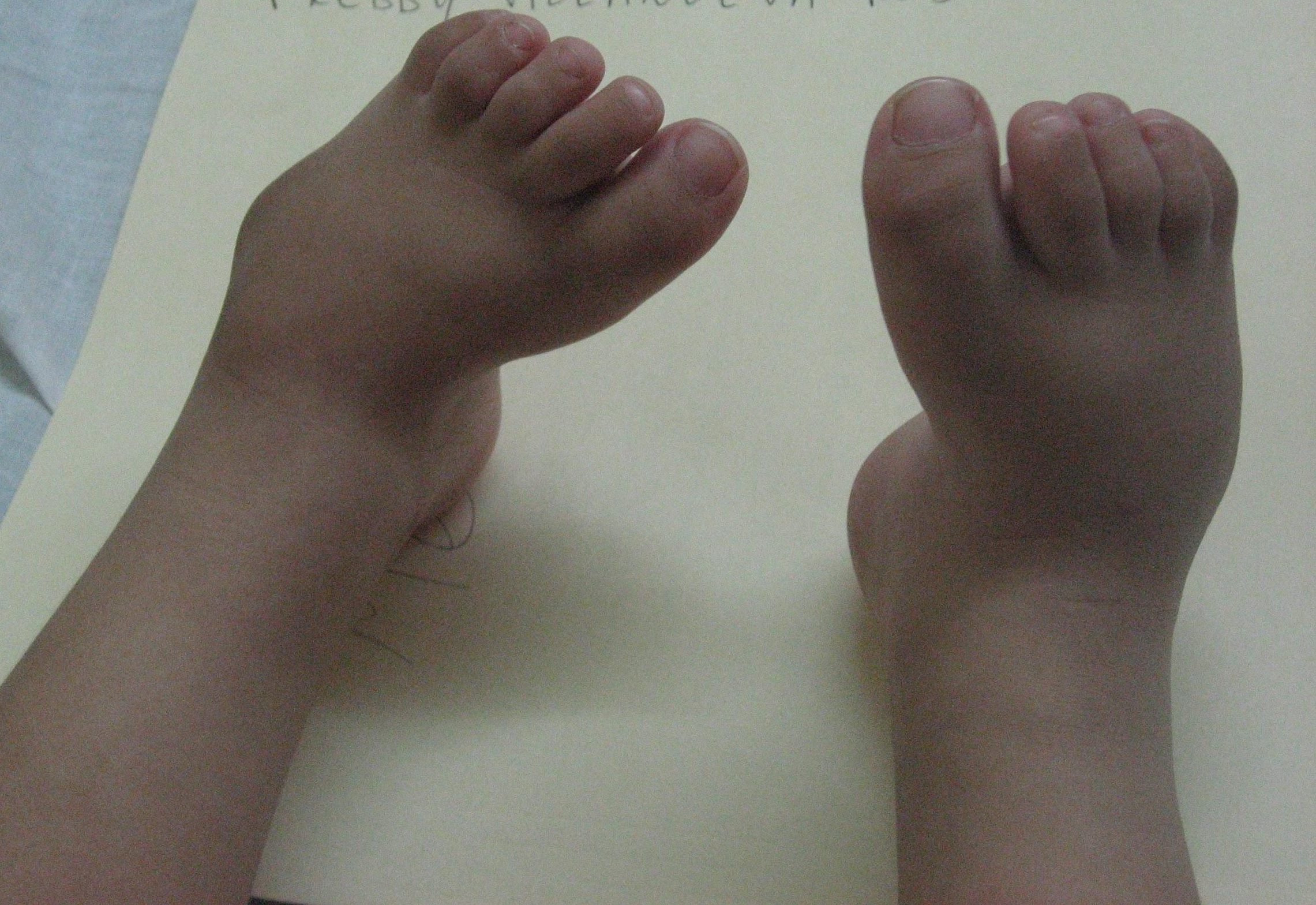
There are two main types of clubfoot:
- Idiopathic Clubfoot: Most common, without any other underlying conditions
- Secondary Clubfoot: Linked to neuromuscular disorders like spina bifida
Early Signs of Clubfoot in Newborns
Parents often notice the following signs shortly after birth:
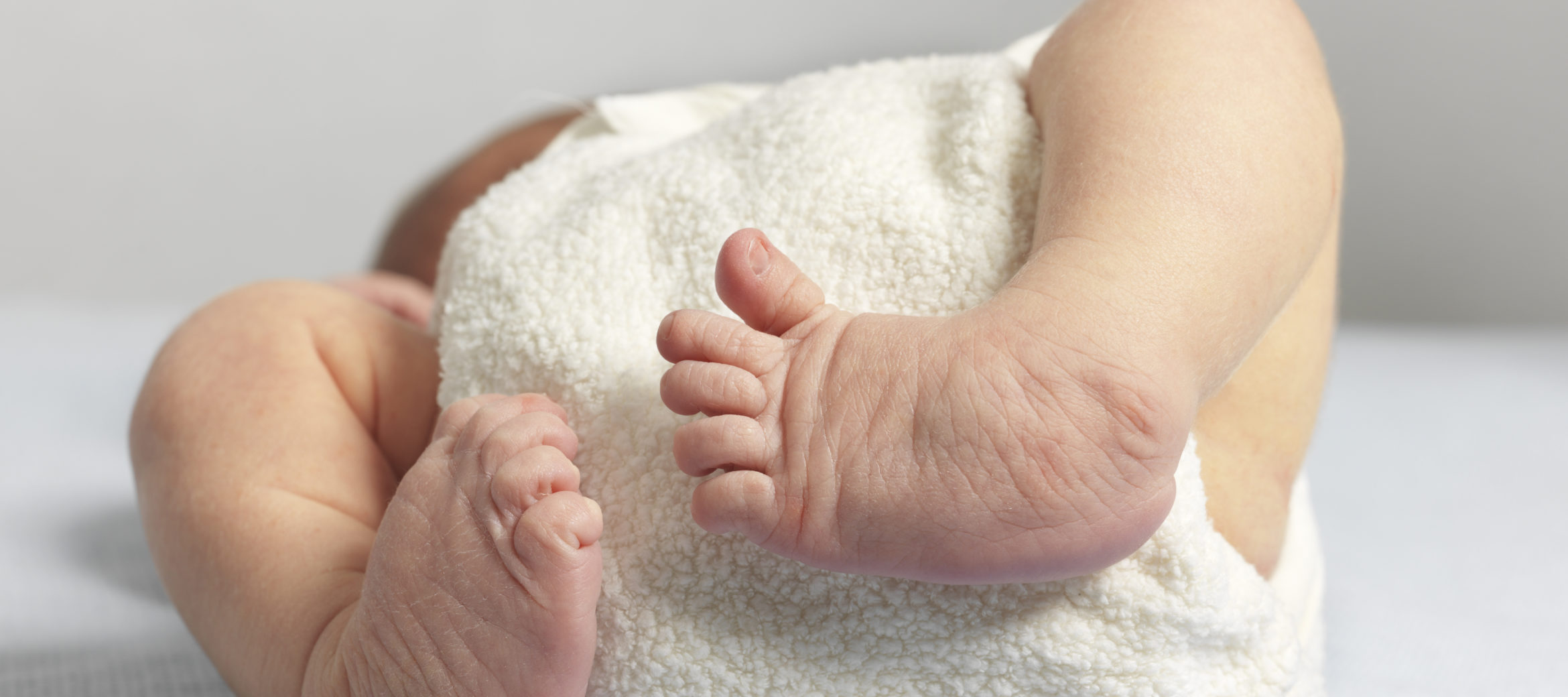
- Foot appears twisted or rotated inward
- Sole of the foot faces sideways or even upward
- Calf muscle appears underdeveloped
- Shorter foot length compared to the other side
- Limited range of motion in the ankle
Important note: Clubfoot is usually painless at birth, so diagnosis is primarily visual and confirmed by your pediatrician or orthopedic specialist.
Clubfoot Treatment Options
1. Ponseti Method (Most Common)
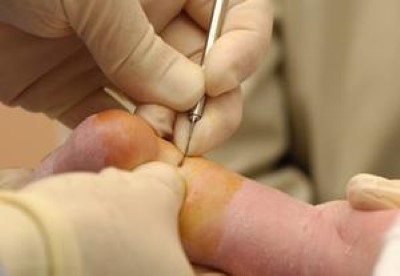
This non-surgical technique involves:
- Gentle manipulation of the foot
- Weekly casting to gradually reposition the foot
- Achilles tendon release (minor procedure)
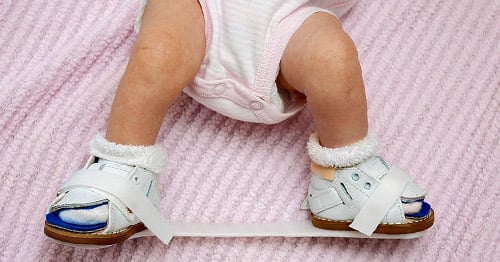
- Use of a foot abduction brace for several months
Over 90% success rate when started within the first weeks of life.
2. French Functional Method
Includes daily physical therapy, taping, and stretching over a longer duration. Effective but more time-intensive.
3. Surgical Correction
In rare cases where casting doesn't work, surgery may be required to release tight tendons or ligaments. This is typically reserved for severe or relapsed cases.
Recovery Journey: What Parents Should Expect
- Casting Phase: Begins soon after birth, lasts 6–8 weeks
- Bracing Phase: After final cast, a brace is worn 23 hours/day for 3 months, then at night for 3–4 years
- Monitoring: Regular follow-ups are critical to avoid relapse
- Mobility: Most children walk normally, run, and live active lives
Consistency is key. Following the treatment plan and brace schedule leads to the best outcomes.

💬 FAQs
Q: Is clubfoot painful for the child?
No, it is not painful at birth. Treatment ensures long-term comfort and function.
Q: Can clubfoot come back?
Relapse can occur if brace compliance is not maintained. Regular follow-up reduces this risk.
Q: Can children with treated clubfoot play sports?
Yes. With timely treatment, most children lead active, normal lives — including sports participation.
🏥 When to See a Specialist
Early diagnosis and intervention offer the best outcomes. If you notice any abnormality in your baby's feet, consult a pediatric orthopedic surgeon immediately.
At Unicare Hospital, our experienced pediatric orthopedics team offers personalized clubfoot treatment with excellent recovery outcomes.
Dr. Aravind Hampannavar
MS Ortho, DNB Ortho
● Fellowship in Pediatric Orthopaedics (Mumbai)
● Fellowship in Advanced Trauma (Hongkong)
● Consultant Orthopedician Specialist in Deformity Correction & Pediatric Orthopaedic Problems
Contact Information
- www.unicarehospitals.com
- 8088814705
- 8313100119
📞 Book an appointment today and give your child the best start in life with expert clubfoot treatment.
Book Consultation Now