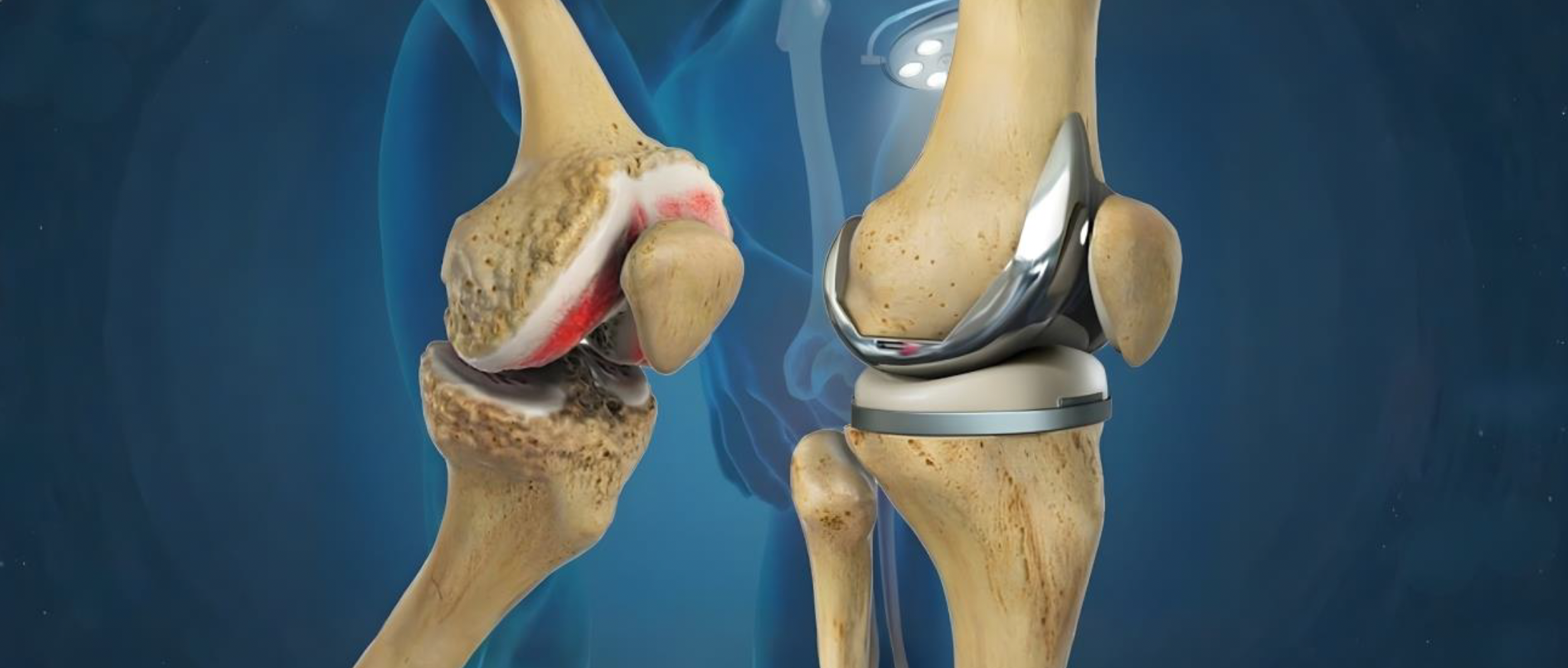
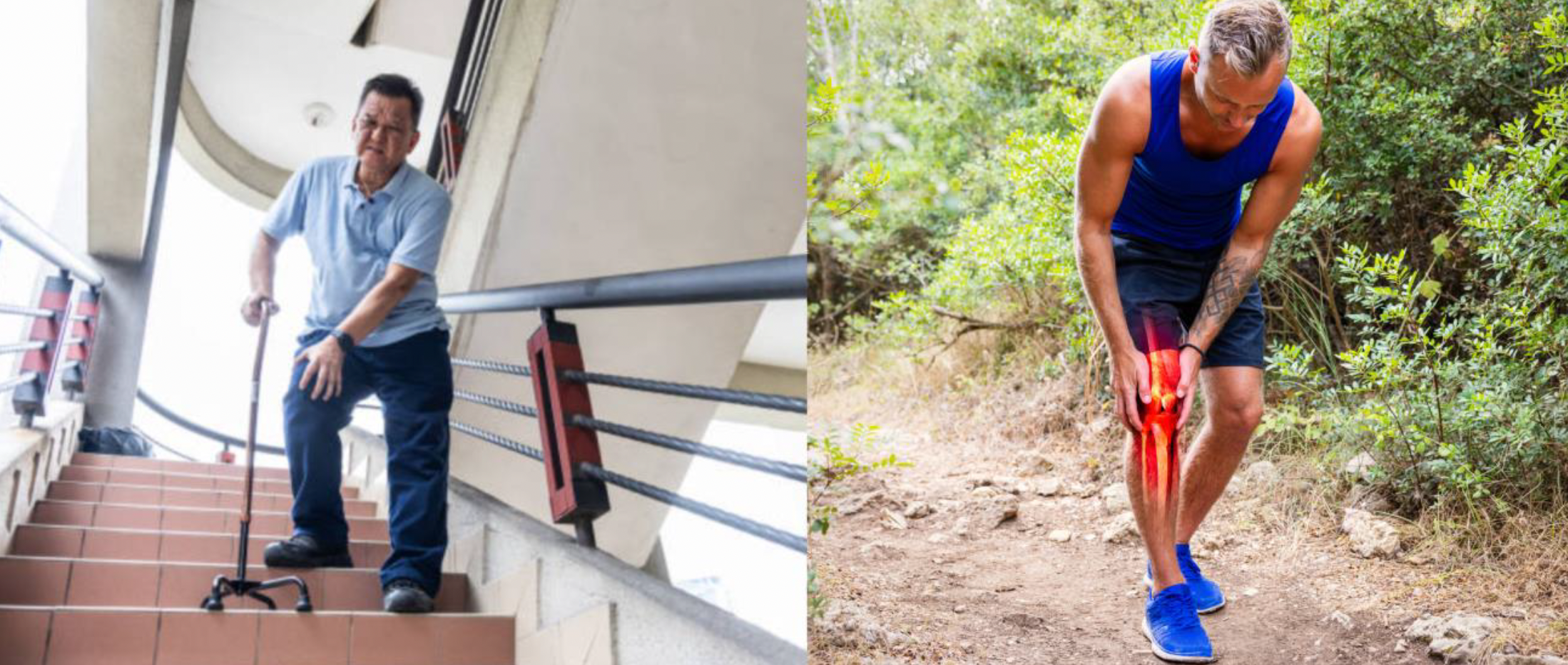
Knee pain can make everyday activities such as walking, climbing stairs, or even standing difficult. When medications, physiotherapy, and lifestyle changes no longer provide relief, doctors may recommend knee replacement surgery. This procedure helps restore movement, reduce pain, and improve quality of life for people with severe knee joint damage.
Knee replacement surgery is one of the most successful orthopedic procedures performed worldwide and is commonly recommended for patients with advanced arthritis or severe joint degeneration.
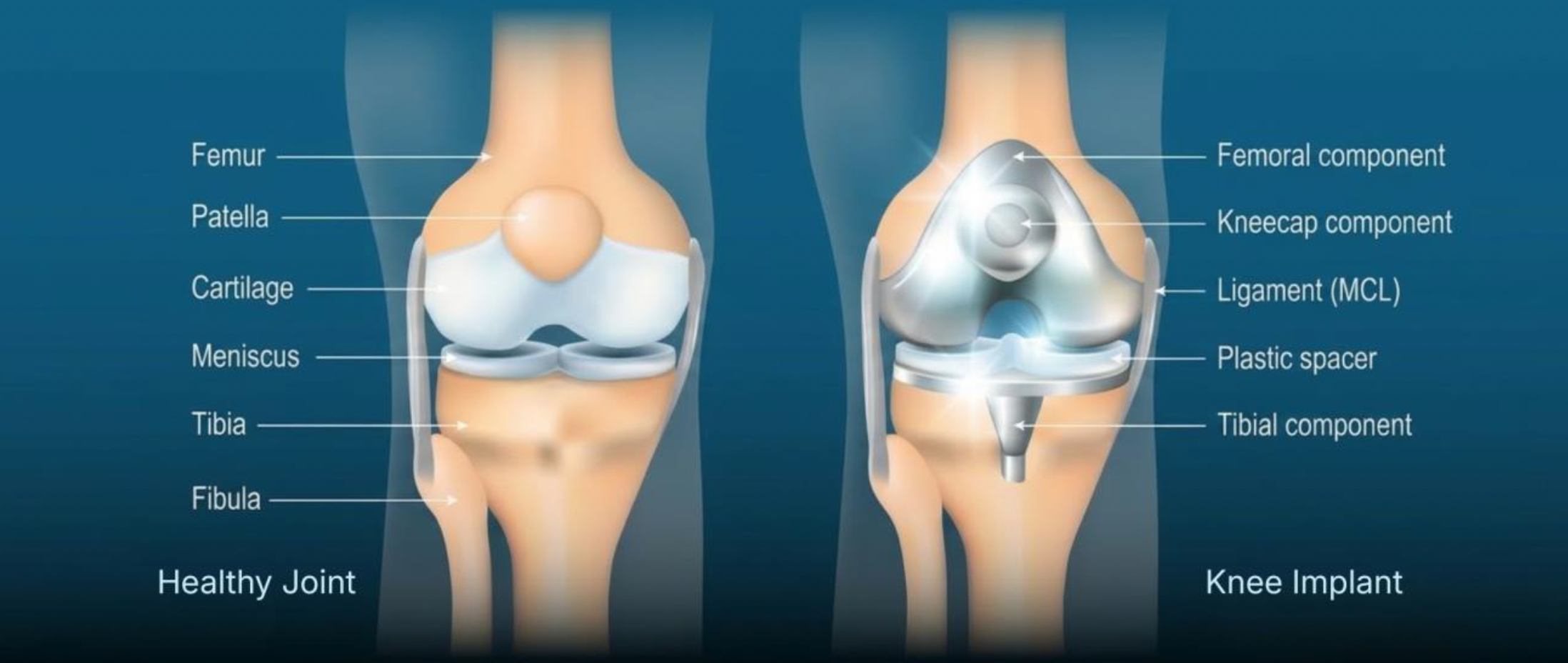
Knee replacement surgery is a procedure in which damaged parts of the knee joint are removed and replaced with artificial components made of metal and medical-grade plastic. These artificial parts which are called implants act like the natural knee joint and allow smoother movement.
The procedure is also called Total Knee Replacement (TKR).
The goal of the surgery is to reduce pain, correct joint deformity, and restore normal knee function.
Doctors usually recommend knee replacement surgery when the knee joint becomes severely damaged and conservative treatments do not provide relief (Grade 3 and Grade 4 osteoarthritis of knee joint).
Common signs that indicate the need for knee replacement surgery in osteoarthritis patients include:
These symptoms often occur in conditions like osteoarthritis, rheumatoid arthritis, or severe knee injury.
Several medical conditions can damage the knee joint over time.
The most common cause of knee replacement surgery. It occurs when the cartilage cushioning the knee joint wears away, leading to pain and stiffness.
An autoimmune condition that causes inflammation and damage to the knee joint lining.
Joint damage that develops after fractures, ligament injuries, or accidents.
Injuries involving ligaments such as ACL, meniscus damage, or fractures can lead to long-term knee joint problems.
The entire knee joint is replaced with artificial components.
Only the damaged part of the knee is replaced while healthy areas are preserved.
The surgery usually takes about one to two hours and involves the following steps:
After surgery, patients are moved to recovery where medical teams monitor their condition.
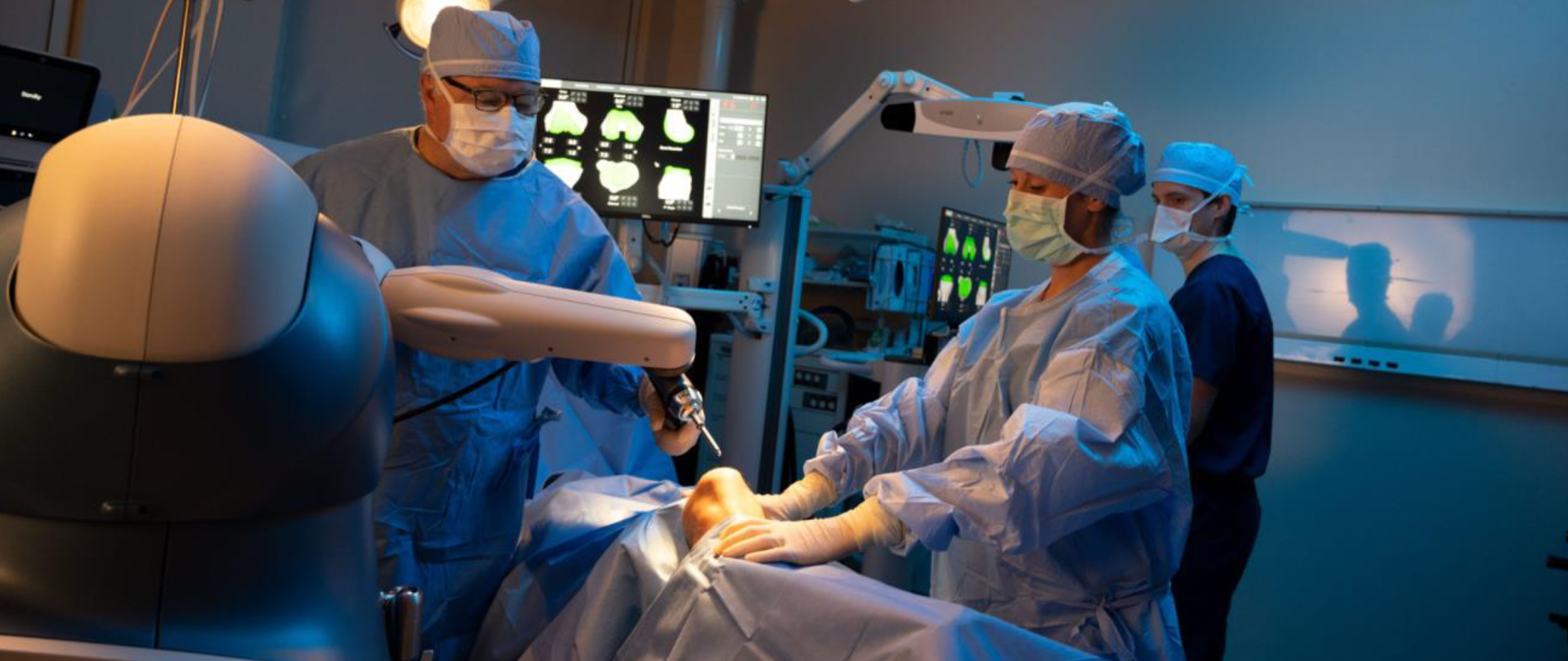
Knee replacement surgery can significantly improve daily life for patients suffering from chronic knee pain.
Benefits include:
Many patients are able to return to normal activities such as walking, light exercise, and routine work after recovery.
Recovery is an important part of successful knee replacement surgery.
Most patients walk within 24 hours after surgery. Physiotherapy plays a key role in regaining strength and movement.
Typical recovery milestones include:
Complete recovery is usually expected after 2 to 3 months depending on the patient's health and rehabilitation progress.
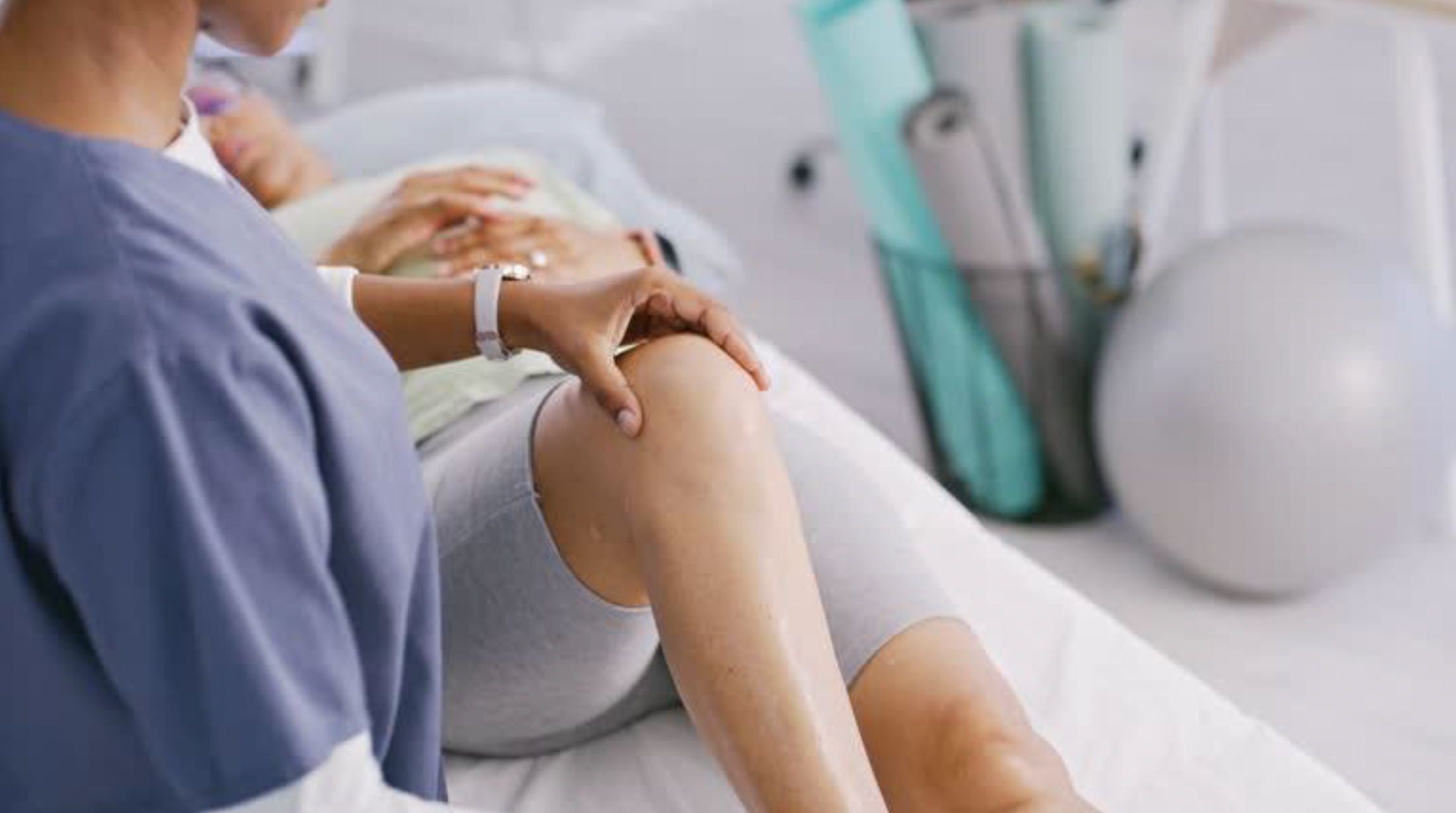
Like any surgical procedure, knee replacement surgery carries some risks. However, complications are uncommon when the procedure is performed by experienced orthopedic surgeons.
Possible risks include:
Following doctor instructions and physiotherapy programs helps reduce these risks and improves long-term results.
Modern knee implants can last 25 to 30 years or longer depending on activity level and lifestyle.
Patients may experience some pain after surgery, but medications and physiotherapy help manage it effectively. Most patients experience significant relief from the chronic pain they had before surgery.
Knee replacement is usually recommended for people over 50 years of age, but younger patients may also require surgery if the joint damage is severe.
Most patients start walking with assistance within 24 hours after surgery.
Knee replacement surgery has transformed the lives of millions of people suffering from severe knee pain and mobility problems. With modern surgical techniques, advanced implants, and proper rehabilitation, patients can regain independence and return to an active lifestyle.
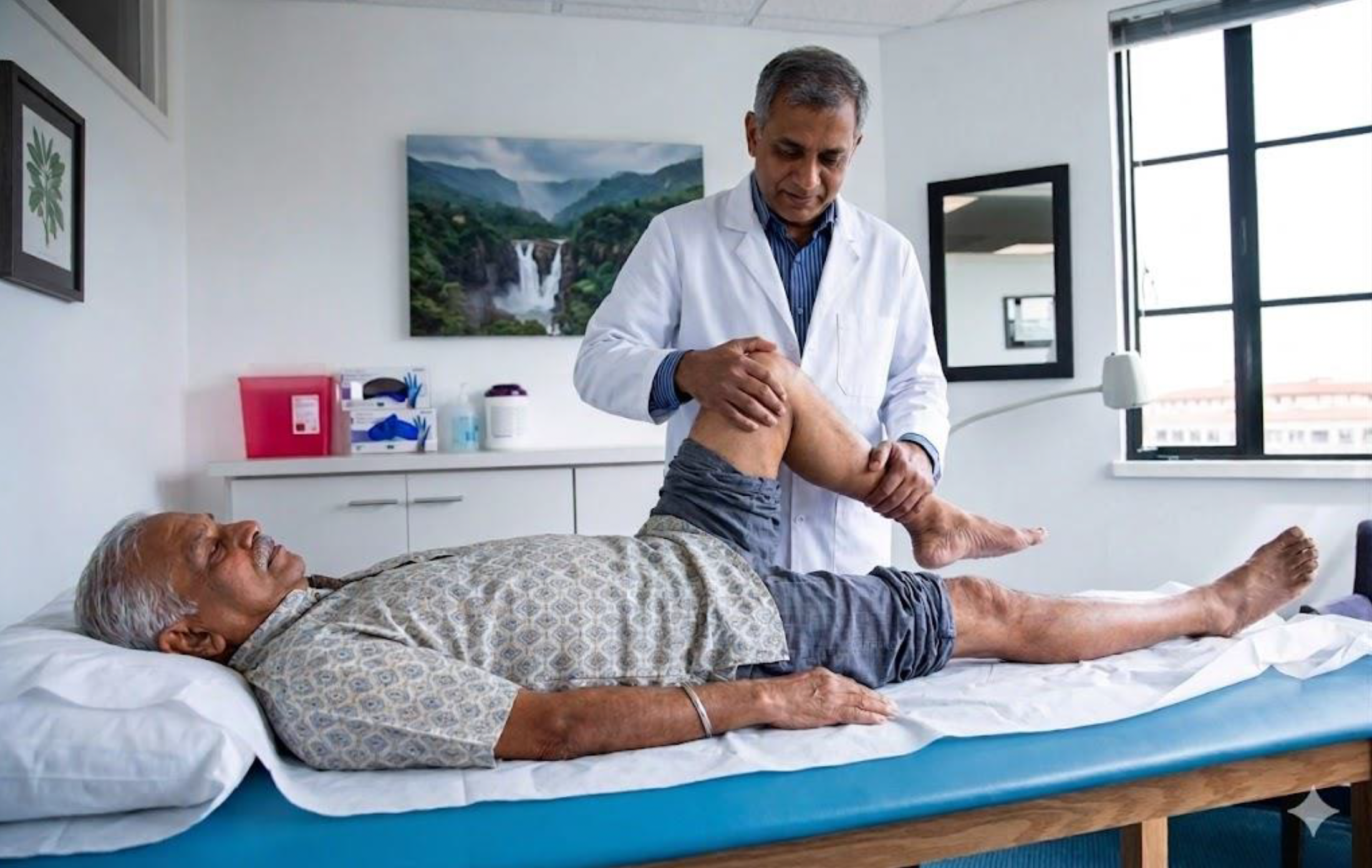
If persistent knee pain is affecting your daily activities, consulting an experienced orthopedic specialist can help determine whether knee replacement surgery is the right option for you.
Looking for a reliable Orthopaedic Surgeon in Belagavi?
Dr Pavan Alkunte MBBS, D-Ortho, DNB Ortho, FIAS, FIJS
With 14 years of experience, Dr. Pavan Alkunte offers personalised treatment in Orthopaedic Sports Medicine, Arthroscopy, Joint Replacement Surgery, and related orthopaedic conditions.
📍 Consult Now at Unicare Hospital
🌐 Visit: www.unicarehospital.com
📞 Call: 8088 814705
📲 WhatsApp: +91 83131 00119
📍 Address: Shahapur, Belagavi
