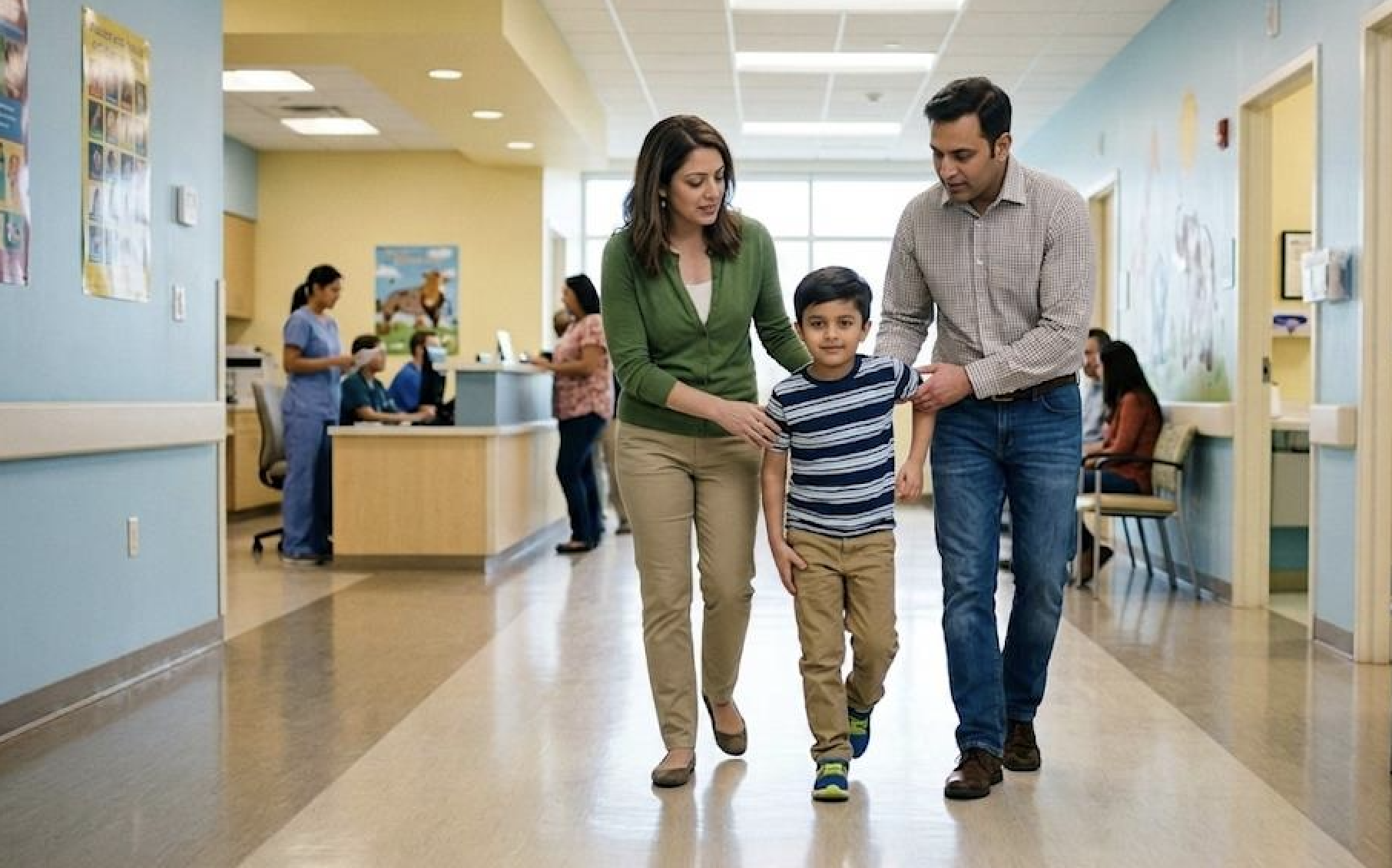
Hip pain in children can be alarming, especially when your child suddenly refuses to walk or starts limping. Two of the most common causes are septic arthritis and transient synovitis. Although these conditions may appear similar initially, one is a medical emergency while the other is usually temporary and self-limiting.
Knowing the difference can help parents seek timely medical attention and protect their child's joint health.
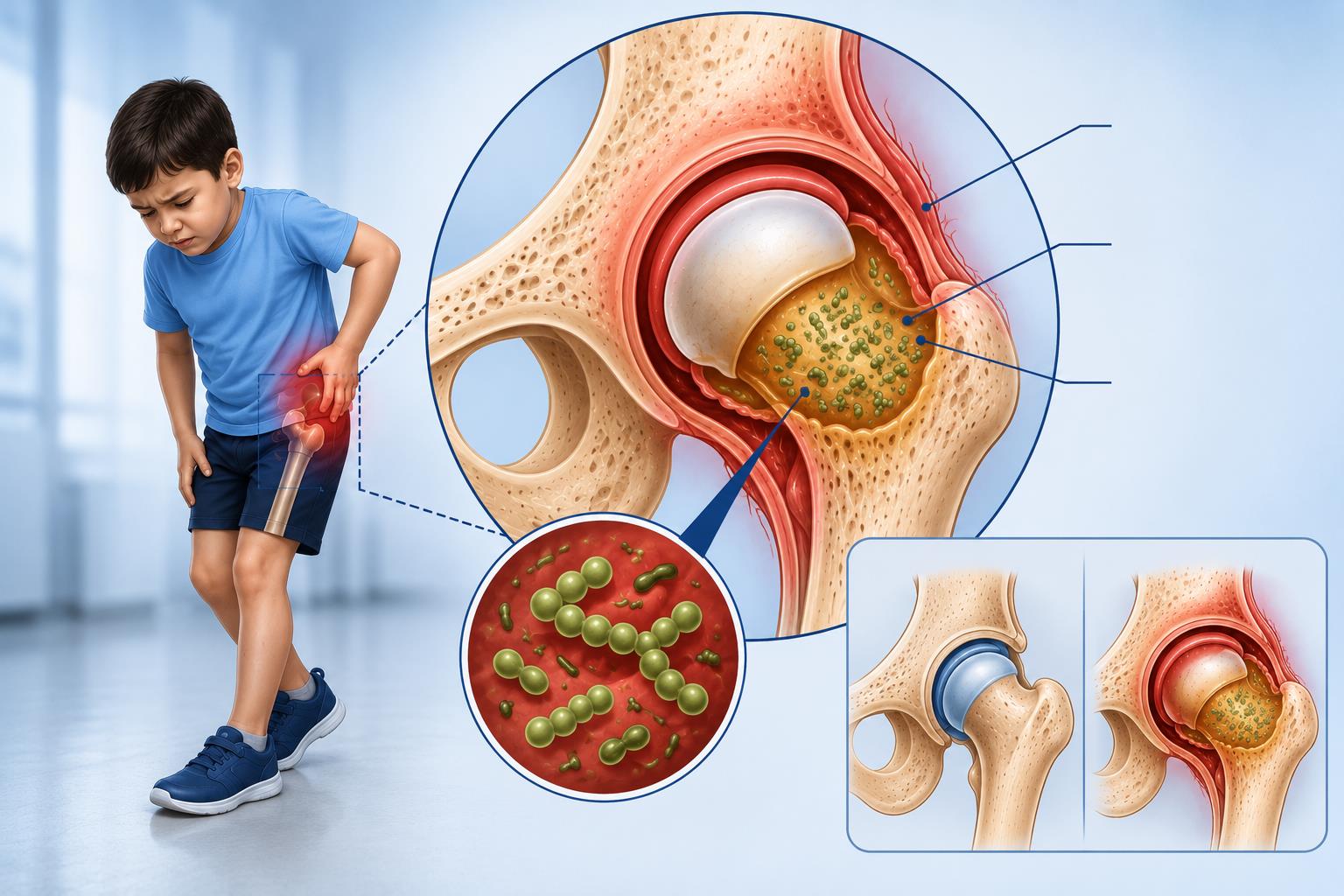
Septic arthritis is a serious bacterial infection inside the joint. It most commonly affects the hip or knee in children. The infection can rapidly damage cartilage and bone if not treated promptly.
It is considered an orthopedic emergency and requires immediate medical evaluation, antibiotics, and often surgery to drain the infected joint.
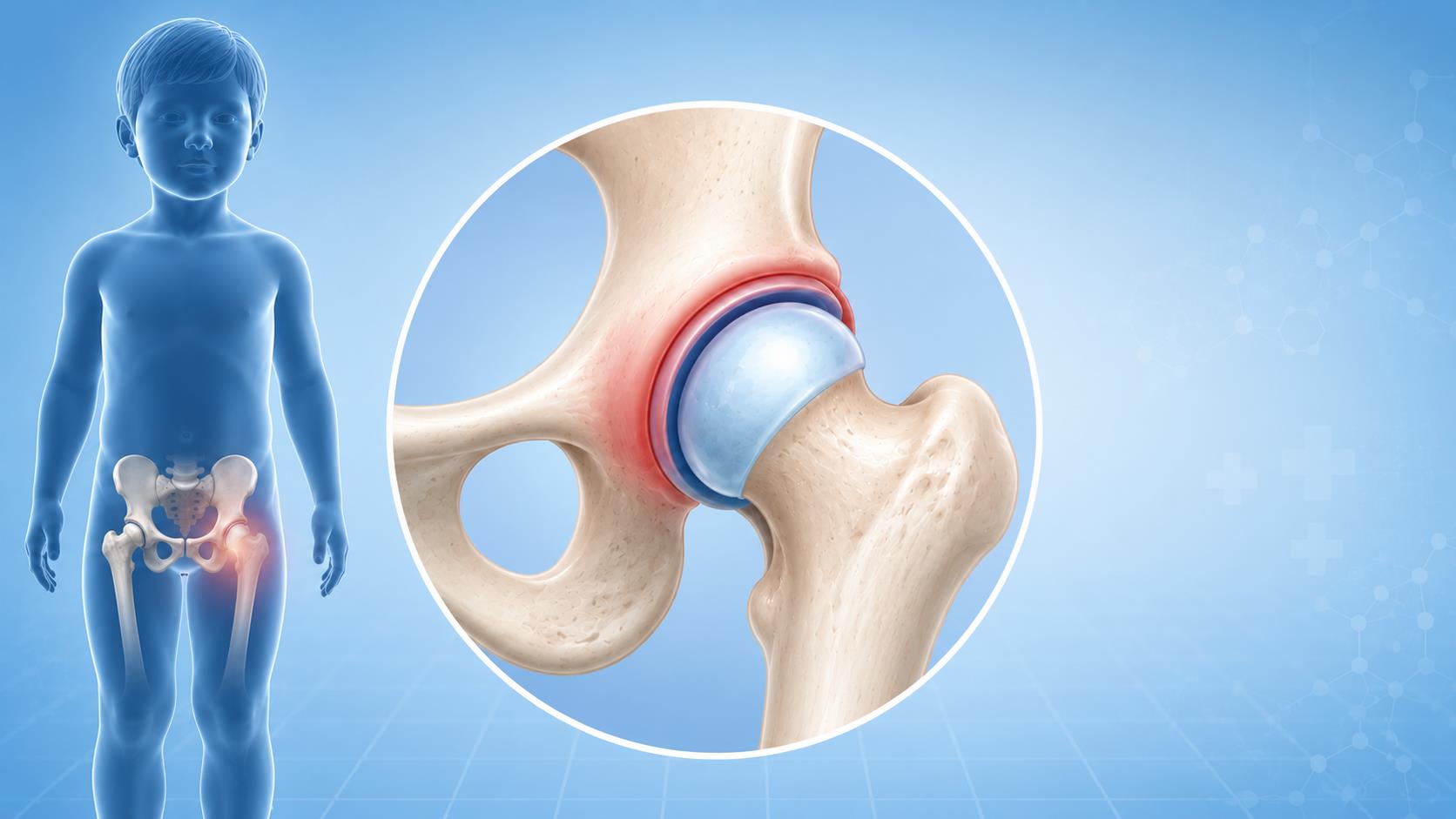
Transient synovitis, also called irritable hip, is a temporary inflammation of the hip joint. It commonly affects children between 3 and 10 years of age and often develops after a recent viral infection such as a cold or sore throat.
Unlike septic arthritis, transient synovitis is not caused by bacteria and usually improves with rest and anti-inflammatory medication.
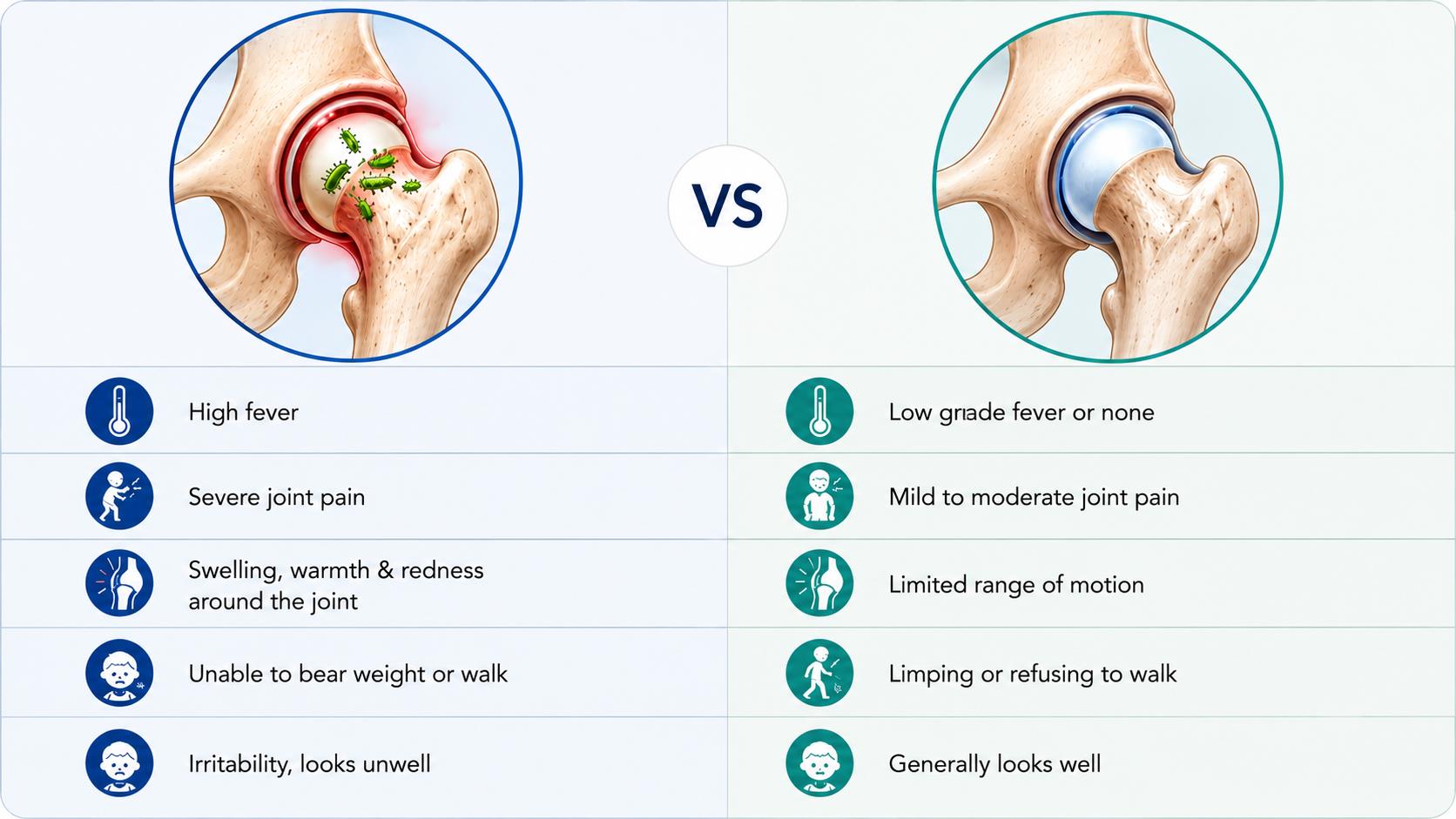
Although both conditions may cause hip pain and limping, there are important differences.
| Feature | Septic Arthritis | Transient Synovitis |
|---|---|---|
| Cause | Bacterial infection | Temporary inflammation, often after viral illness |
| Fever | Usually high fever | Mild or no fever |
| Pain | Severe | Mild to moderate |
| Walking | Child usually refuses to bear weight | Child may limp but can often walk |
| General condition | Appears sick | Usually appears well |
| Treatment | Emergency antibiotics and surgery if needed | Rest, pain relief, observation |
Children with septic arthritis often become unwell quickly.
Common symptoms include:
These symptoms require immediate medical attention.
Transient synovitis usually develops more gradually and is generally less severe.
Common symptoms include:
Most children recover completely within one to two weeks.
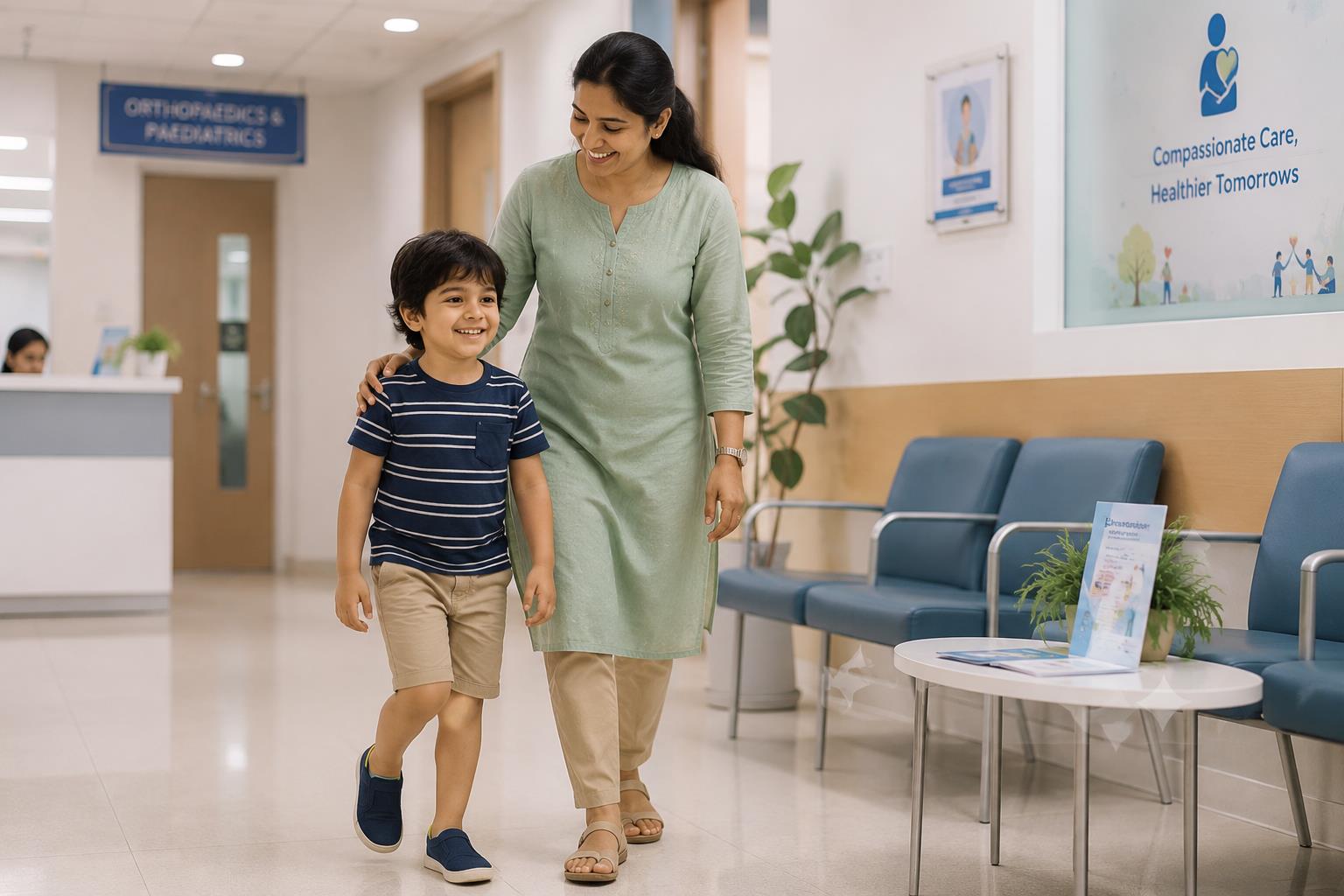
Because the symptoms can overlap, doctors use a combination of medical history, physical examination, and investigations.
These may include:
Doctors may also use the Kocher Criteria, a clinical tool that helps estimate the likelihood of septic arthritis based on fever, inability to bear weight, blood test results, and inflammatory markers.
Septic arthritis can permanently damage a child's joint within a short period if treatment is delayed. Prompt diagnosis and treatment greatly reduce the risk of complications.
Transient synovitis, on the other hand, usually resolves without long-term problems when managed appropriately.
Early evaluation helps doctors provide the right treatment and avoid unnecessary complications.
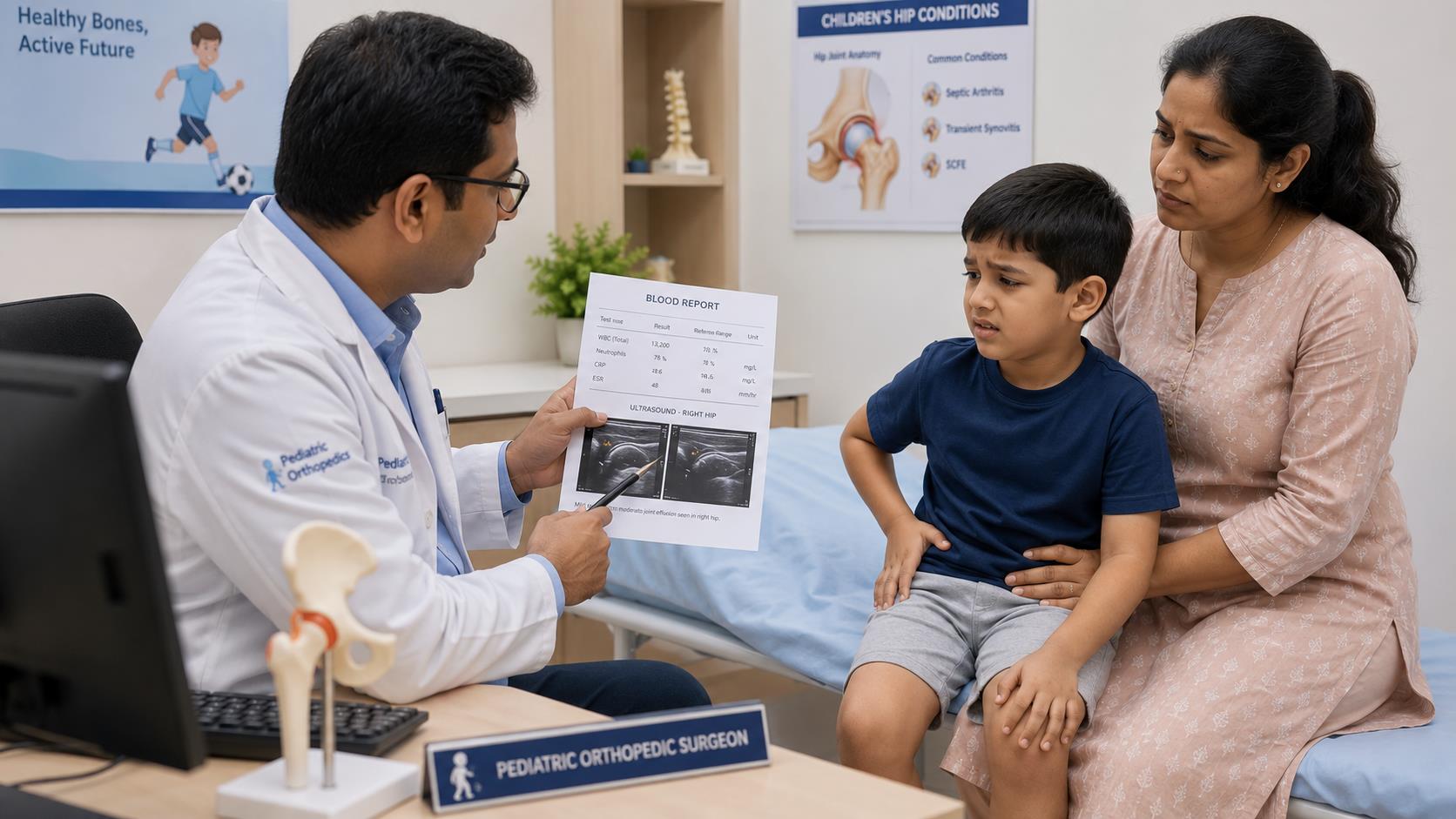
Treatment usually includes:
Early treatment helps preserve joint function.
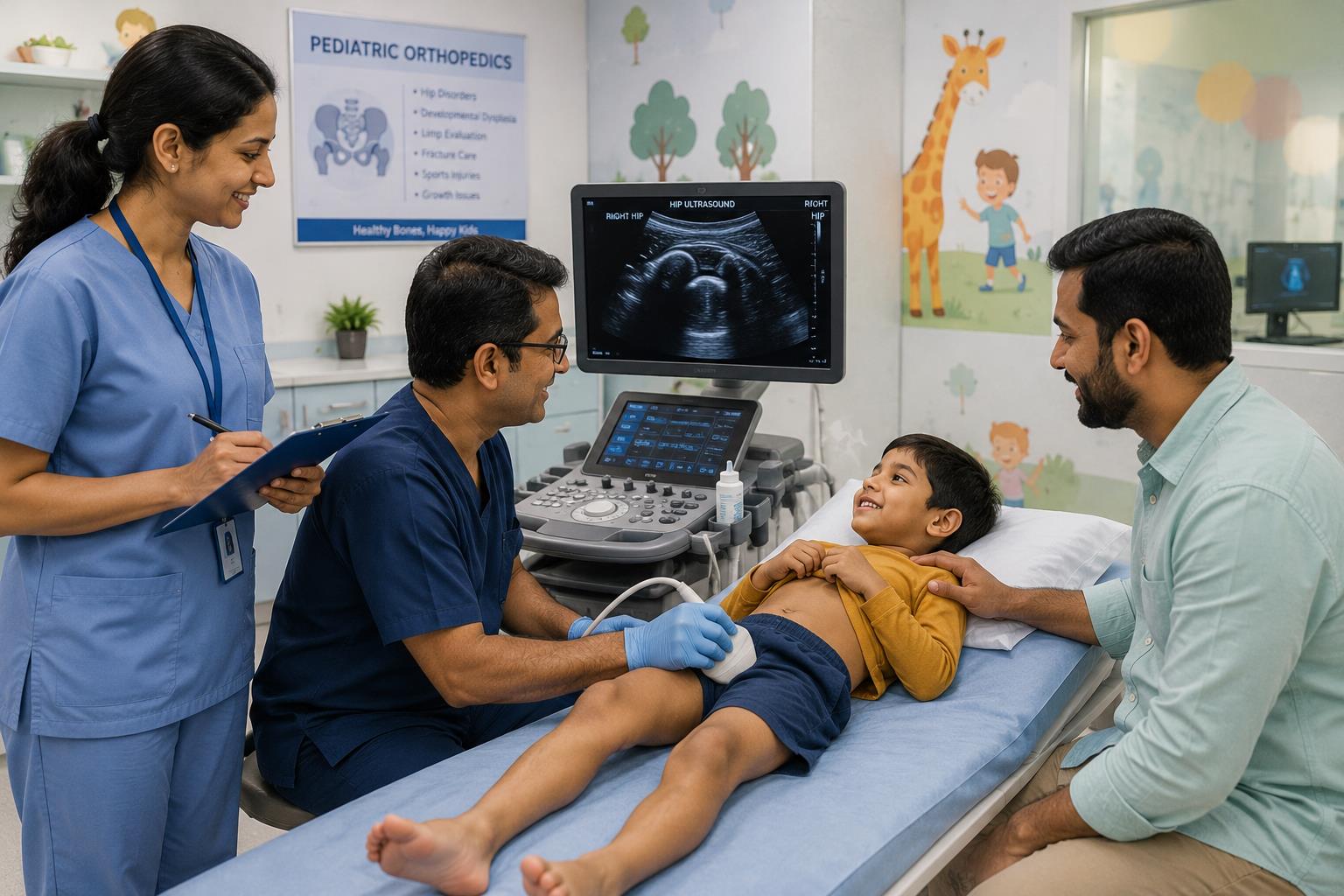
Treatment usually involves:
Most children recover completely within one to two weeks.
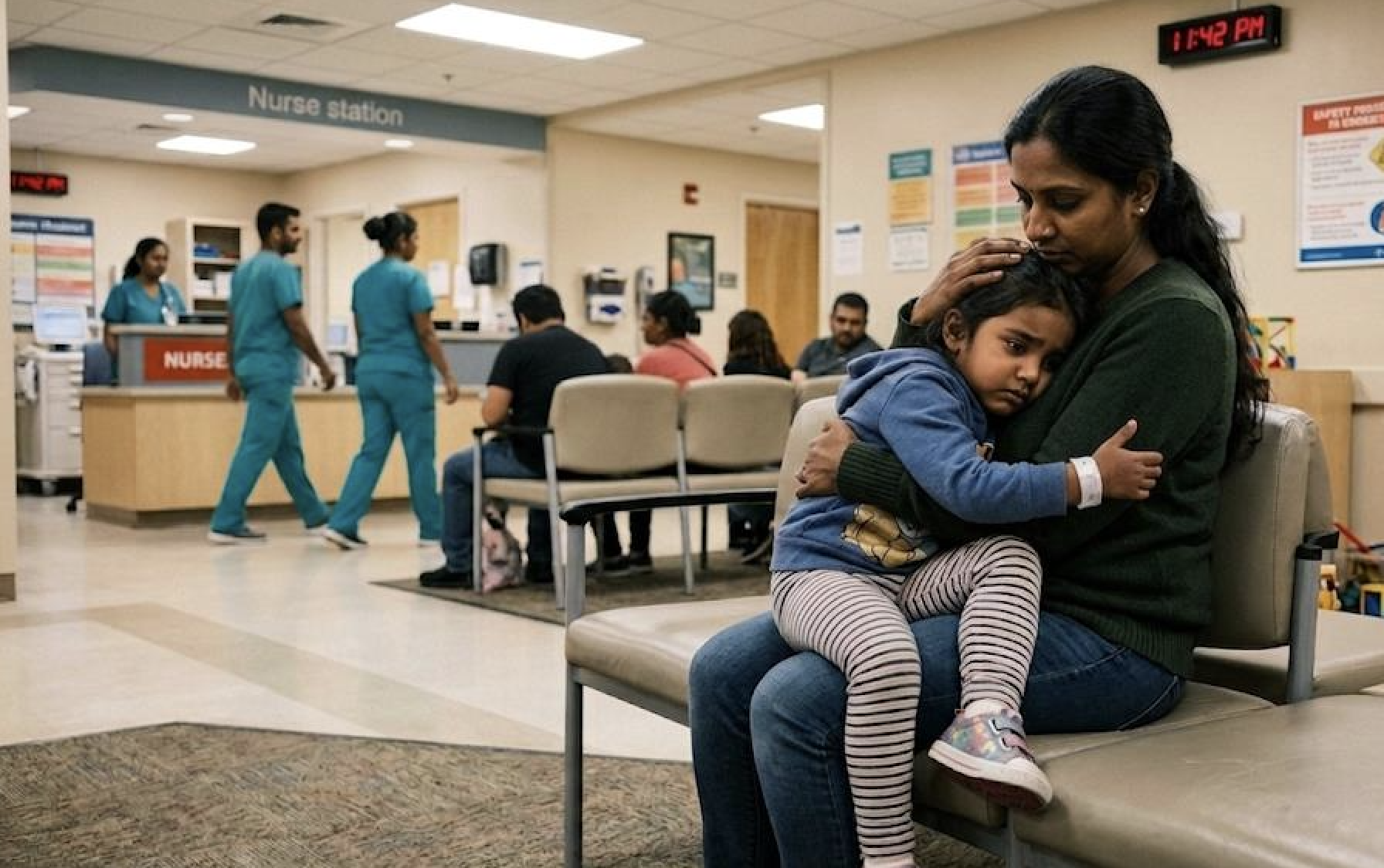
Take your child to the nearest hospital immediately if they have:
These symptoms may indicate septic arthritis and require urgent evaluation by a pediatric orthopedic specialist.
No. They are separate conditions, although they can initially appear similar.
Yes. Septic arthritis requires immediate treatment to prevent permanent joint damage.
Most children recover within one to two weeks with rest and appropriate treatment.
Yes. Once symptoms have completely resolved and the doctor confirms recovery, children can gradually return to normal activities.
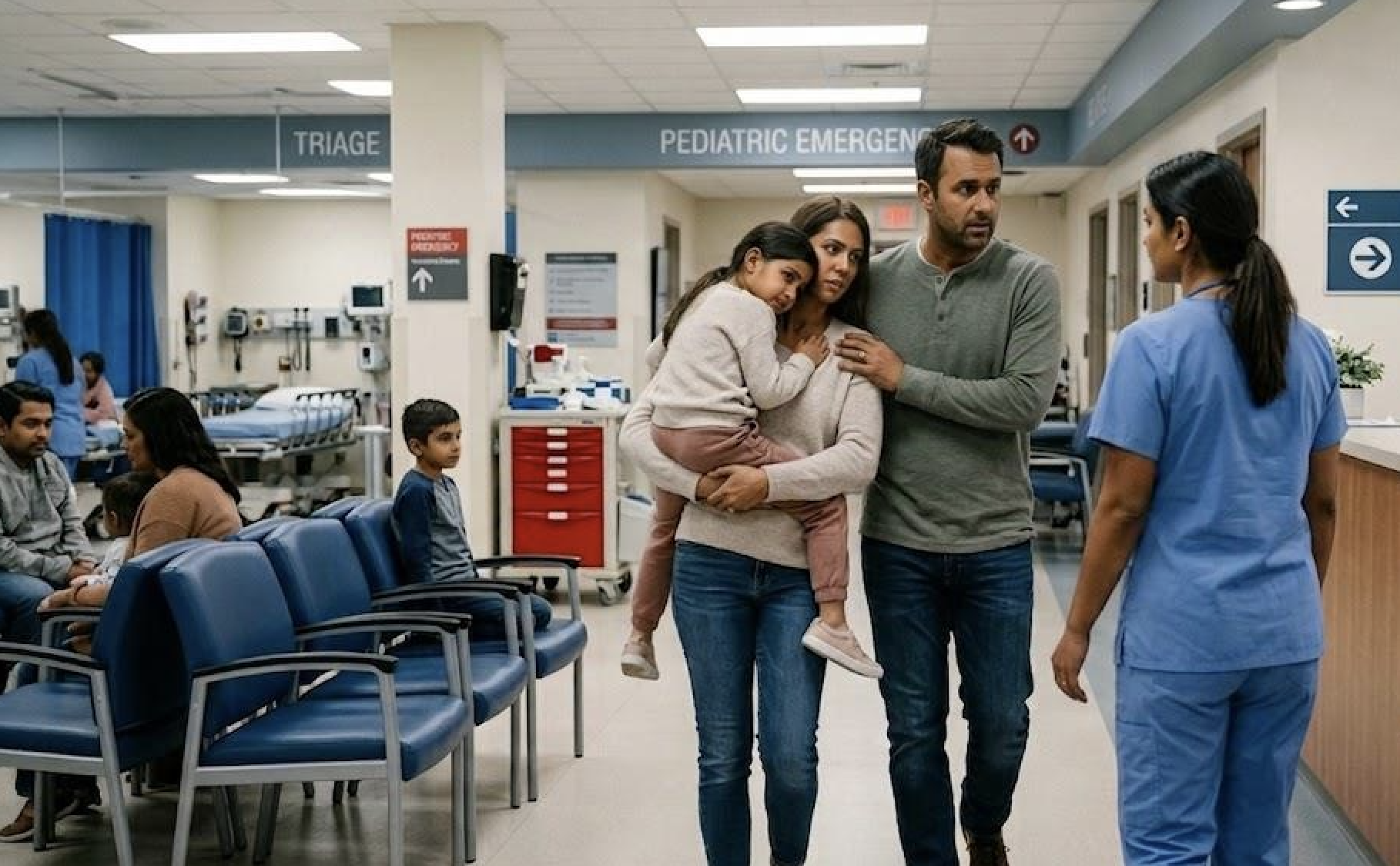
Not every child who limps has a serious condition, but it is important to recognize the warning signs.
While transient synovitis is a common and temporary condition, septic arthritis is a medical emergency that requires immediate treatment.
If your child develops sudden hip pain, refuses to walk, or has a fever along with joint pain, do not delay seeking medical care.
Early diagnosis and treatment can protect your child's growing joints and ensure a full recovery.
Looking for a reliable Pediatric Orthopedic Specialist in Belagavi?
Dr Aravind Hampannavar
MS Ortho, DNB Ortho
Fellowship in Pediatric Orthopaedics (Mumbai)
Fellowship in Advanced Trauma (Hongkong)
Consultant Orthopedician Specialist in Deformity Correction & Pediatric Orthopaedic Problems
Consult Now at Unicare Hospital, Belagavi
Unicare Hospital is dedicated to pediatric orthopedic care through trusted expertise and compassionate service.
Visit: www.unicarehospital.com
Call: 8088 814705
WhatsApp: +91 83131 00119
Address: Shahapur, Belagavi
