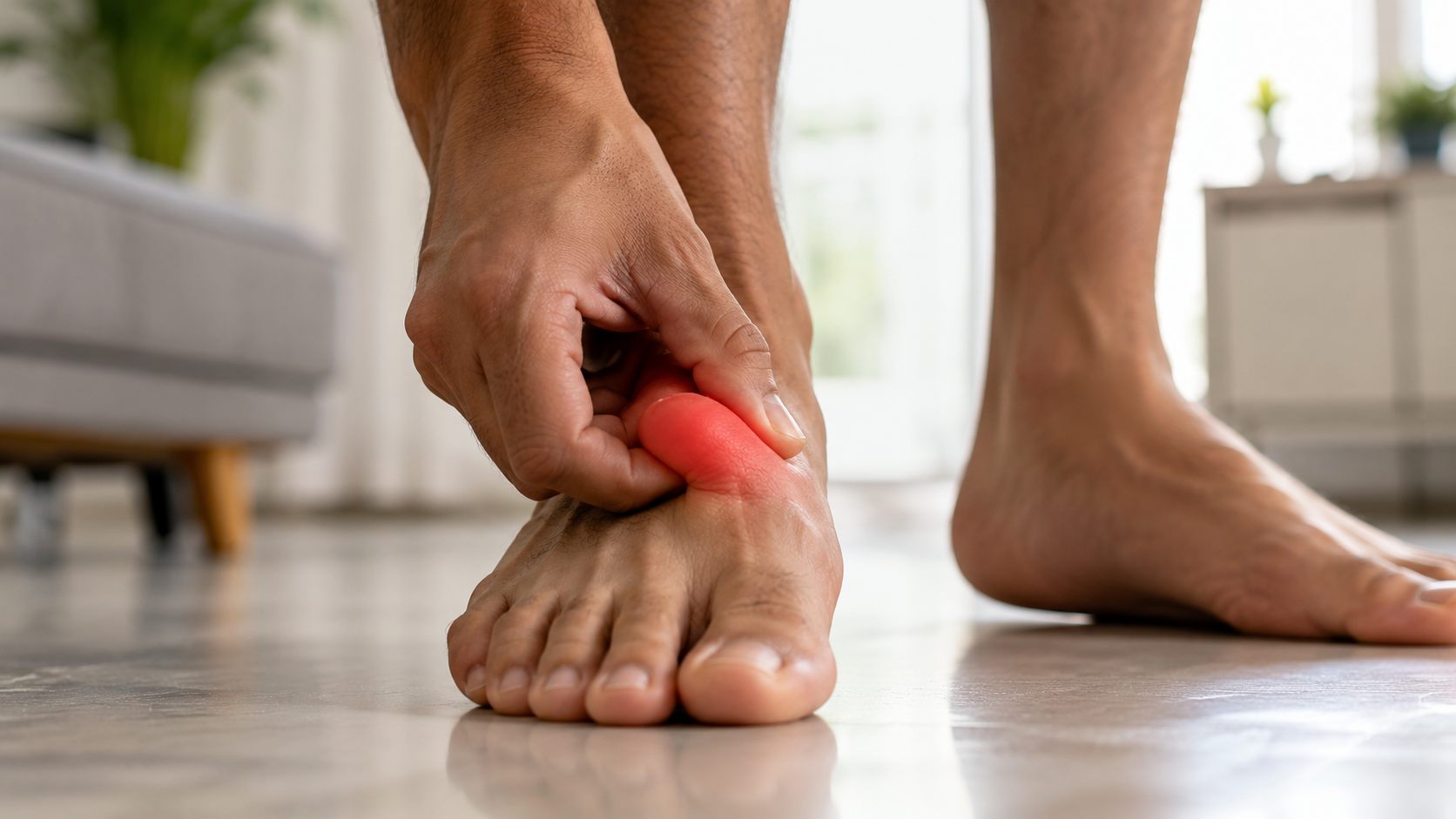
Hallux rigidus is a common form of arthritis that affects the joint at the base of the big toe. Over time, the joint becomes stiff, painful, and difficult to move, doing simple activities like walking, climbing stairs, or wearing uncomfortable shoes.
While early stages can often be managed with non-surgical treatments, advanced cases may require surgery. Depending on the severity of joint damage, your orthopedic foot and ankle specialist may recommend a cheilectomy, joint fusion, or joint implant.
This guide explains each treatment option and helps you understand which approach may be suitable for your condition.
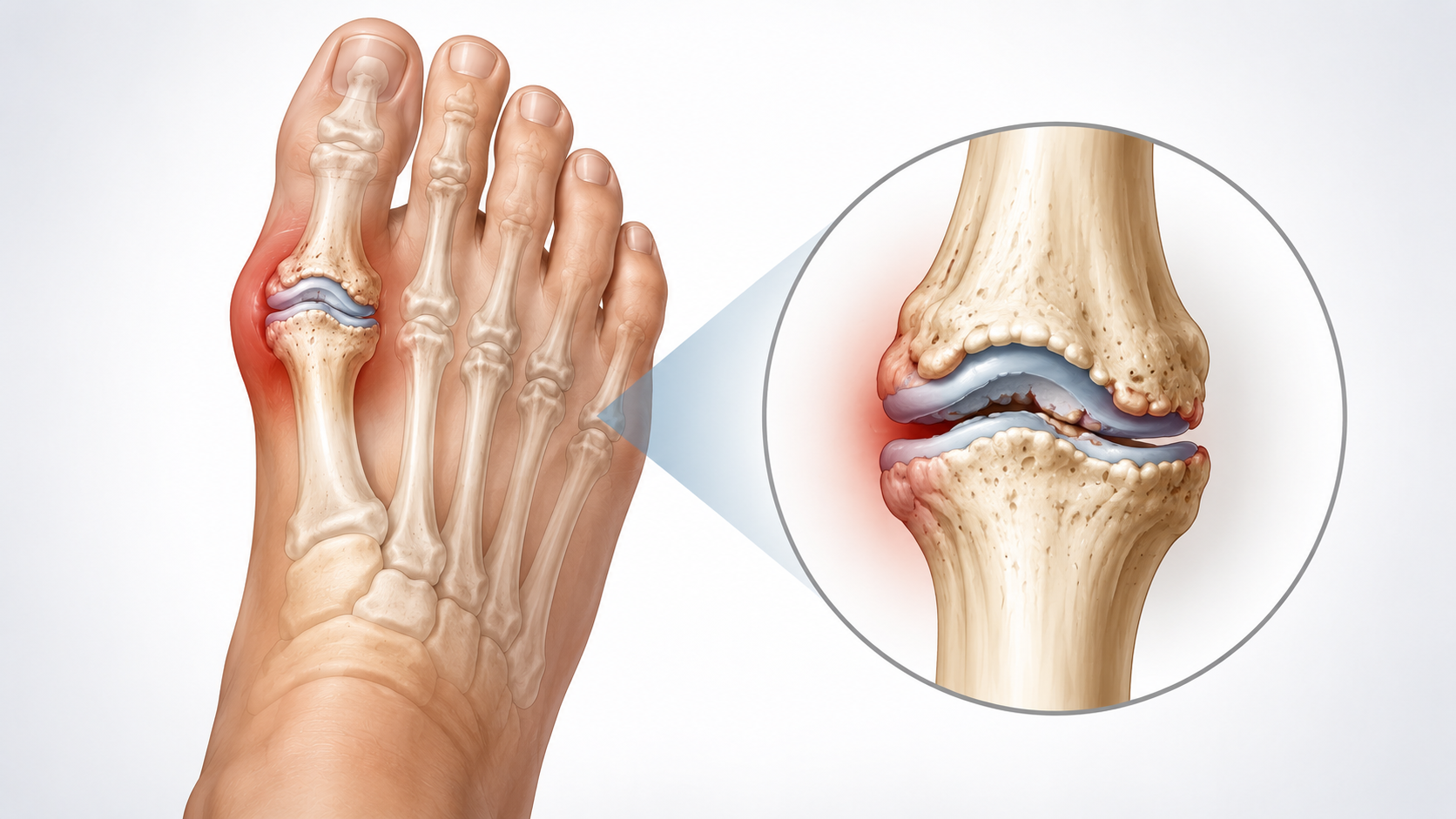
Hallux rigidus is arthritis of the first metatarsophalangeal (MTP) joint, the joint where the big toe connects to the foot. As the cartilage wears away, the joint becomes painful and stiff, limiting movement.
Without treatment, the condition may gradually worsen and interfere with daily activities.
Several factors can contribute to the development of hallux rigidus.
Common causes include:
Over time, these factors damage joint cartilage, causing pain and stiffness.
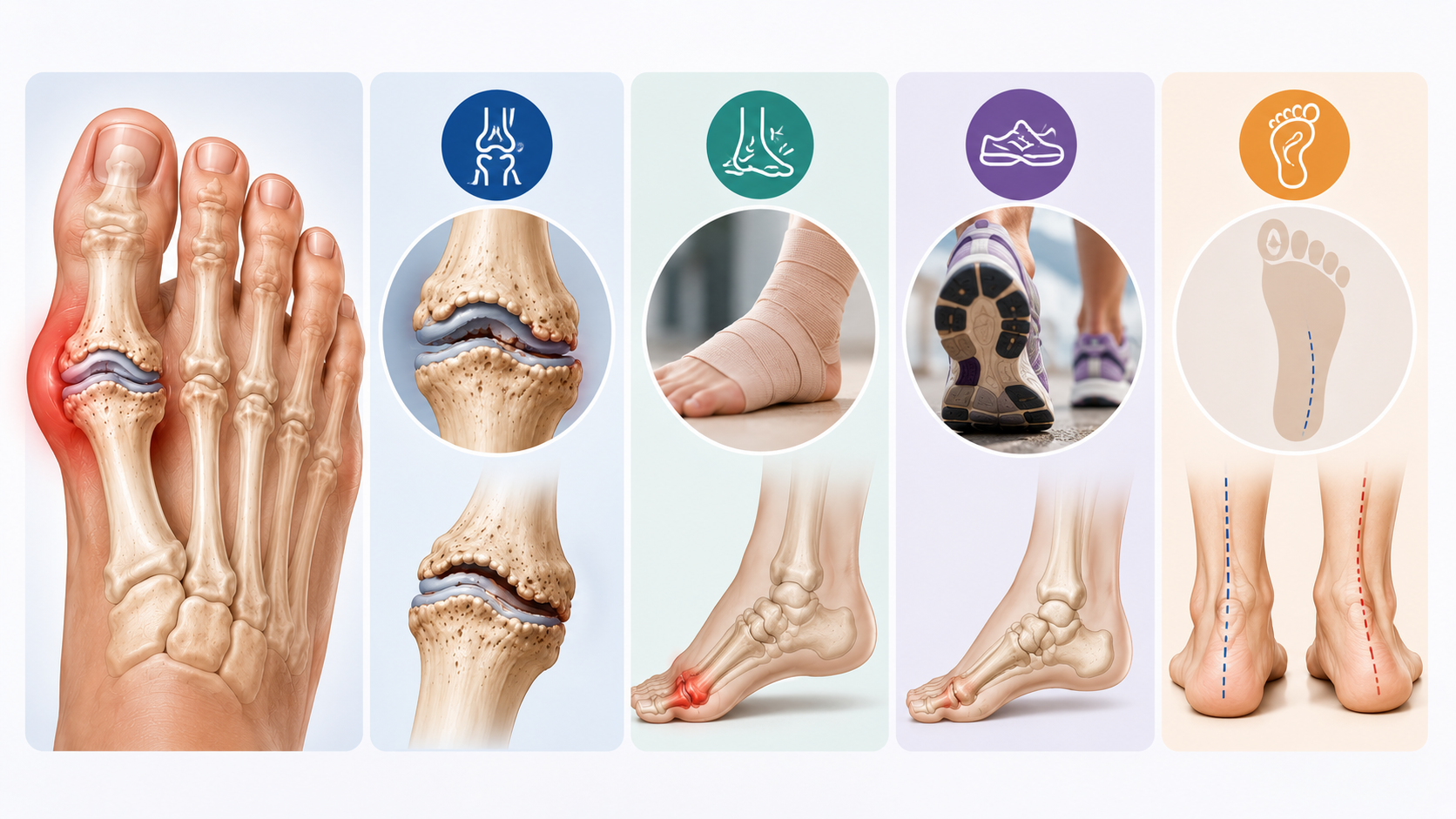
Symptoms usually develop gradually and become more noticeable over time.
Common symptoms include:
In advanced cases, even standing for long periods may become uncomfortable.
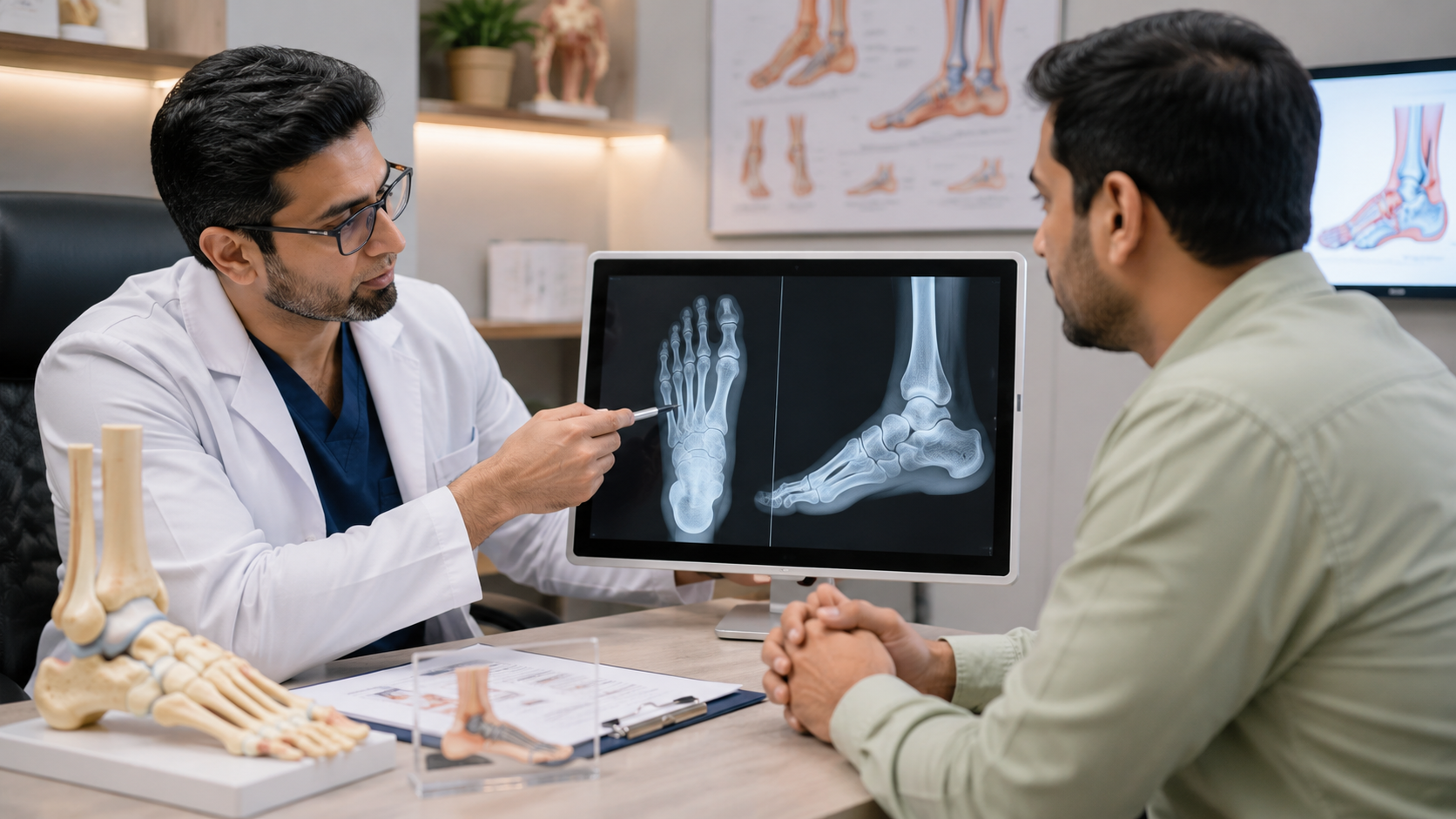
Doctors usually recommend surgery when conservative treatments such as medications, footwear modifications, orthotics, or physiotherapy no longer relieve symptoms.
The type of surgery depends on:
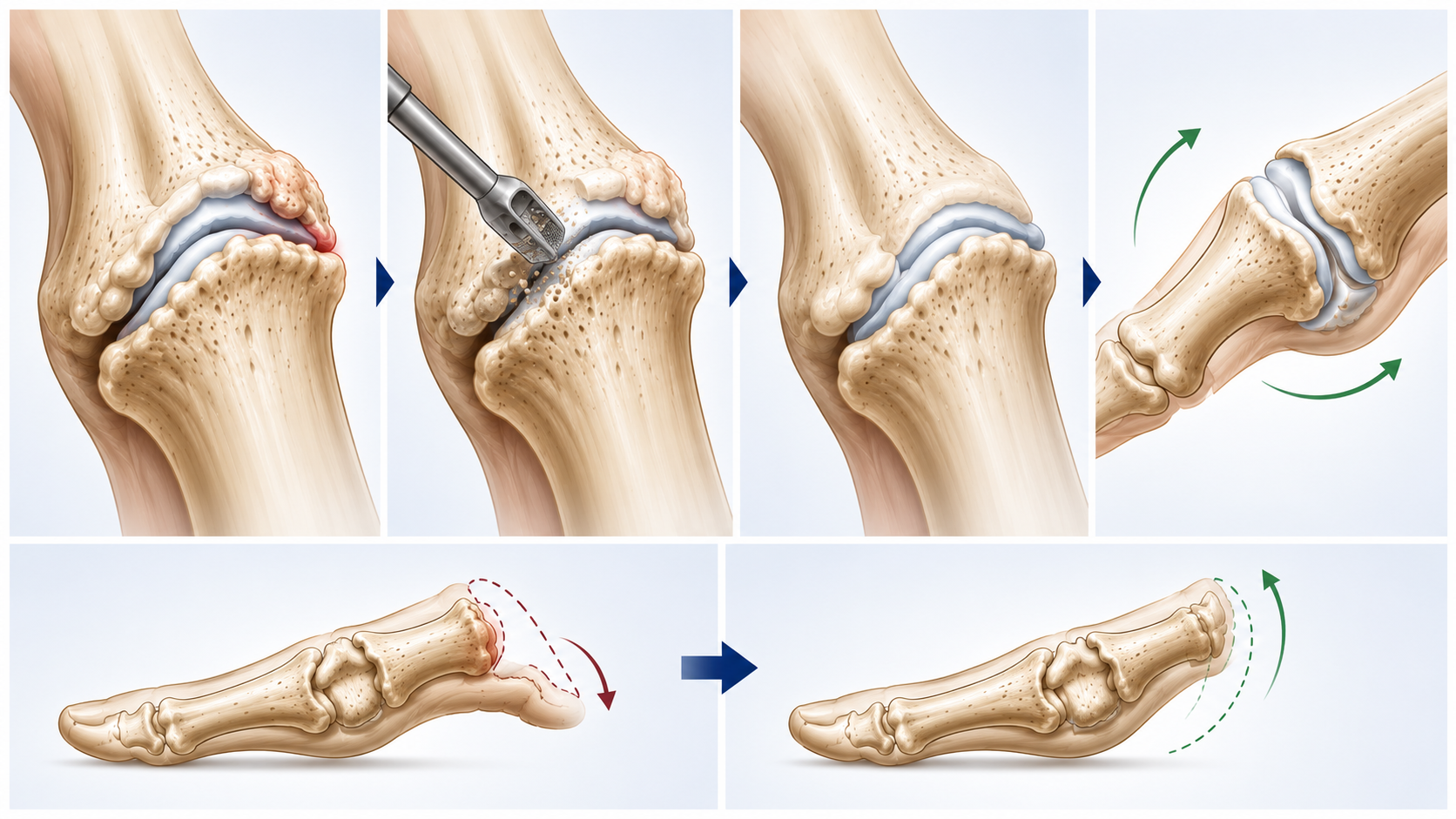
Cheilectomy is usually recommended for early to moderate hallux rigidus when the joint still has healthy cartilage.
During the procedure, the surgeon removes bone spurs and inflamed tissue around the joint. This improves movement and reduces pain while preserving the natural joint.
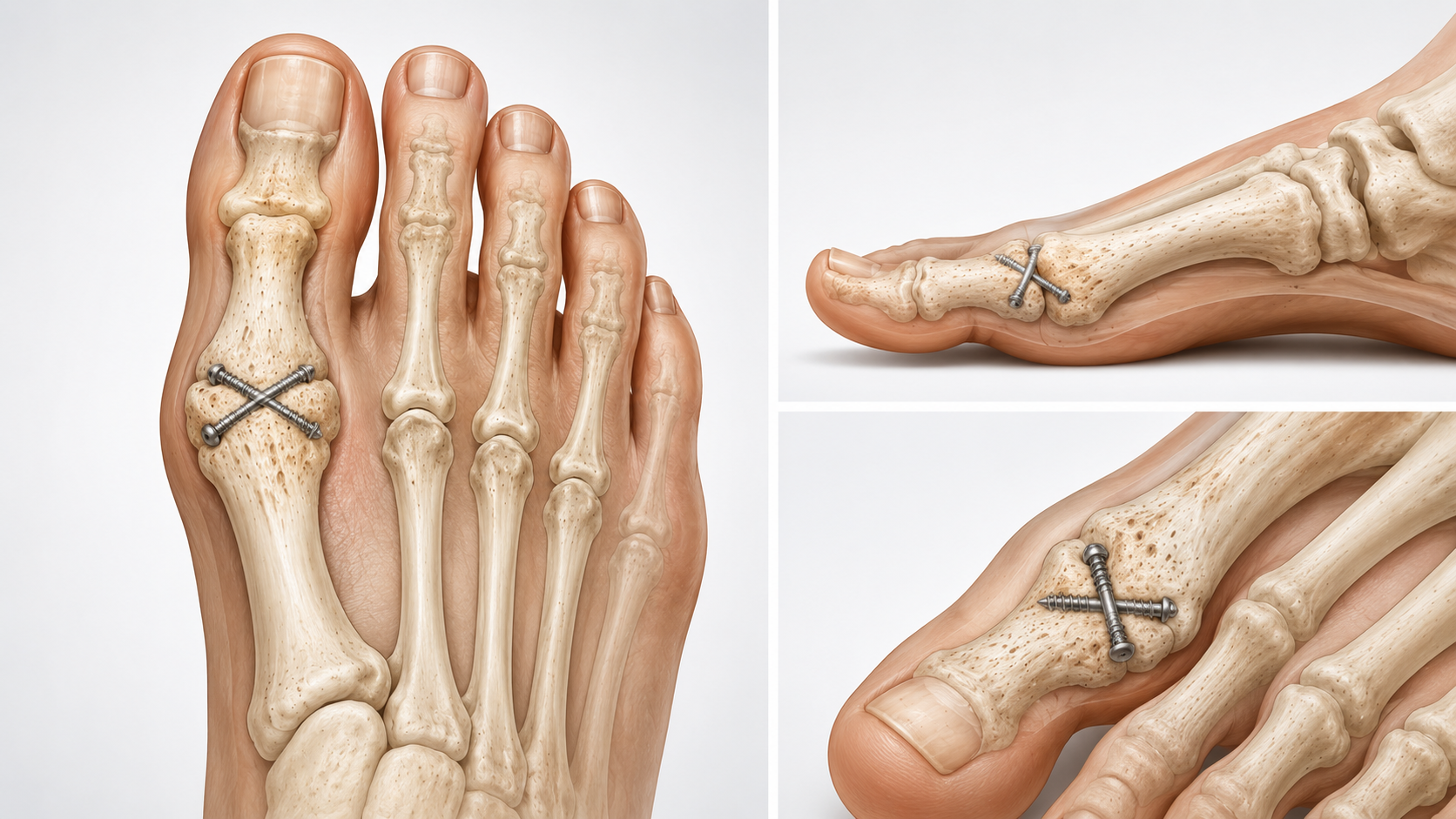
Fusion is considered the gold standard for advanced hallux rigidus when the joint is severely damaged.
The damaged cartilage is removed, and the bones are permanently joined together. Although the toe no longer bends, pain is usually eliminated because the arthritic joint no longer moves.
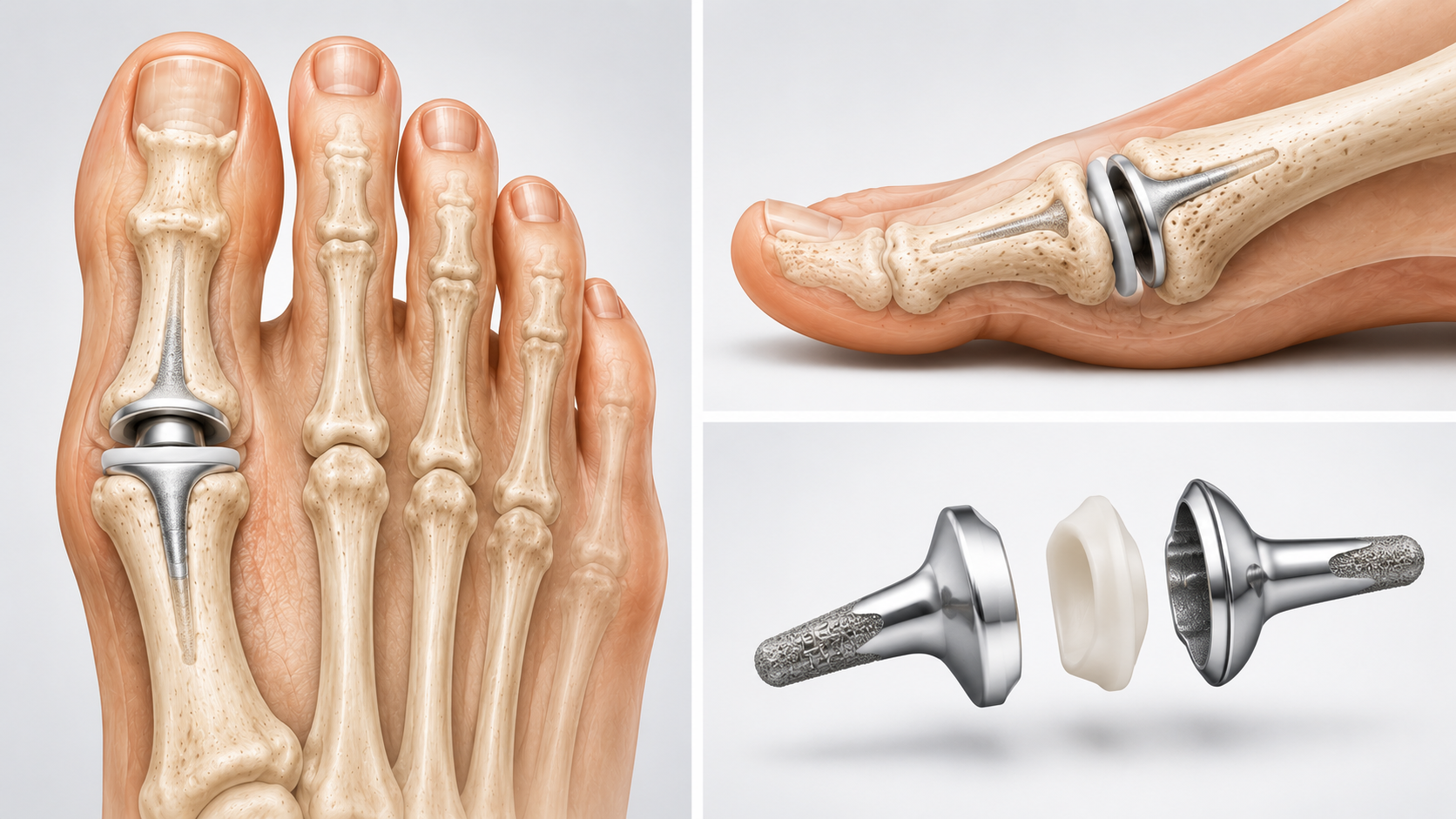
Joint replacement aims to relieve pain while preserving some movement of the big toe.
The damaged joint surfaces are replaced with an artificial implant designed to improve function and reduce discomfort.
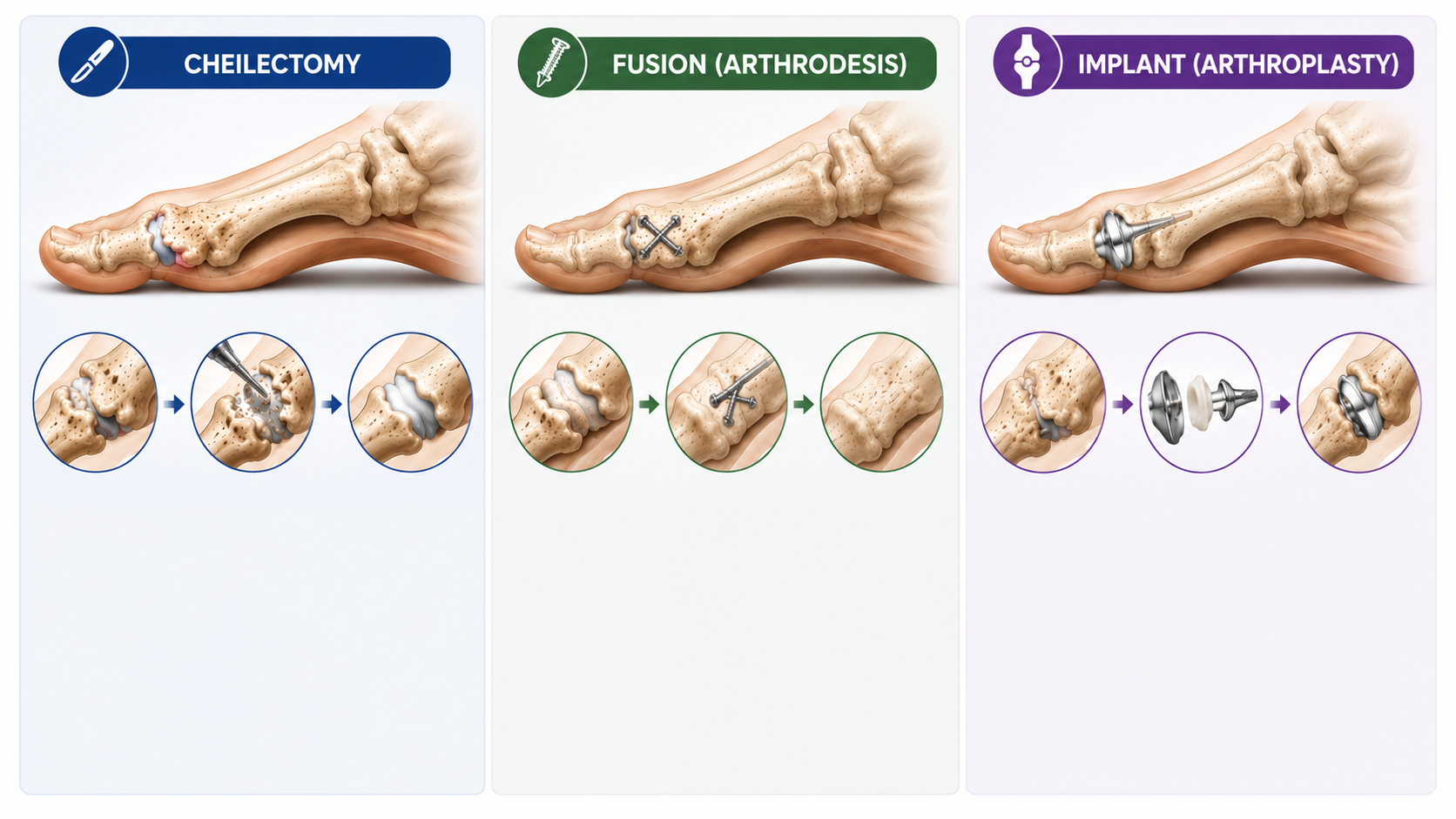
| Procedure | Best For | Toe Movement | Pain Relief | Recovery |
|---|---|---|---|---|
| Cheilectomy | Early arthritis | Preserved | Good | Faster |
| Fusion | Advanced arthritis | No movement | Excellent | Moderate |
| Implant | Selected patients with moderate arthritis | Partial movement | Very Good | Moderate |
Recovery varies depending on the procedure.
Most patients can expect:
Full recovery may take several weeks to months depending on the surgical technique and individual healing.
Seek medical advice if you have:
Early evaluation can help preserve joint function and may prevent progression to advanced arthritis.
Early stages may be managed with footwear changes, medications, orthotics, and physiotherapy. Advanced arthritis often requires surgery.
The best option depends on the stage of arthritis, age, activity level, and the condition of the joint. Your orthopedic surgeon will recommend the most suitable treatment.
Yes. Most patients walk comfortably after recovery, although the big toe will no longer bend.
Recovery varies by procedure but generally ranges from 6 to 12 weeks, with continued improvement over several months.
Hallux rigidus can significantly affect your mobility and quality of life if left untreated. Fortunately, modern orthopedic treatments offer effective solutions for every stage of the condition. Whether a cheilectomy, joint fusion, or implant is recommended, the goal is the same: relieve pain, improve function, and help you return to an active lifestyle.
If you are experiencing persistent pain or stiffness in your big toe, consult an orthopedic foot and ankle specialist. Early diagnosis and the right treatment can make a lasting difference.
Looking for a reliable Pediatric Orthopedic Specialist in Belagavi?
Dr Aravind Hampannavar
MS Ortho, DNB Ortho
Fellowship in Pediatric Orthopaedics (Mumbai)
Fellowship in Advanced Trauma (Hongkong)
Consultant Orthopedician Specialist in Deformity Correction & Pediatric Orthopaedic Problems
Consult Now at Unicare Hospital, Belagavi
Unicare Hospital is dedicated to pediatric orthopedic care through trusted expertise and compassionate service.
Visit: www.unicarehospital.com
Call: 8088 814705
WhatsApp: +91 83131 00119
Address: Shahapur, Belagavi
