
Cervical cancer is one of the most preventable and treatable cancers when detected early. However, many women do not notice the warning signs because the disease often develops slowly and may not cause symptoms in its early stages.
Regular screening, awareness of symptoms, and timely medical consultation can significantly improve outcomes. Understanding the early signs of cervical cancer empowers women to seek care before the disease progresses.
Cervical cancer develops in the cervix, the lower part of the uterus that connects to the vagina. Most cases are linked to persistent infection with certain types of Human Papillomavirus (HPV), a common virus transmitted through intimate contact.
When detected early, cervical cancer can often be treated successfully before it spreads.

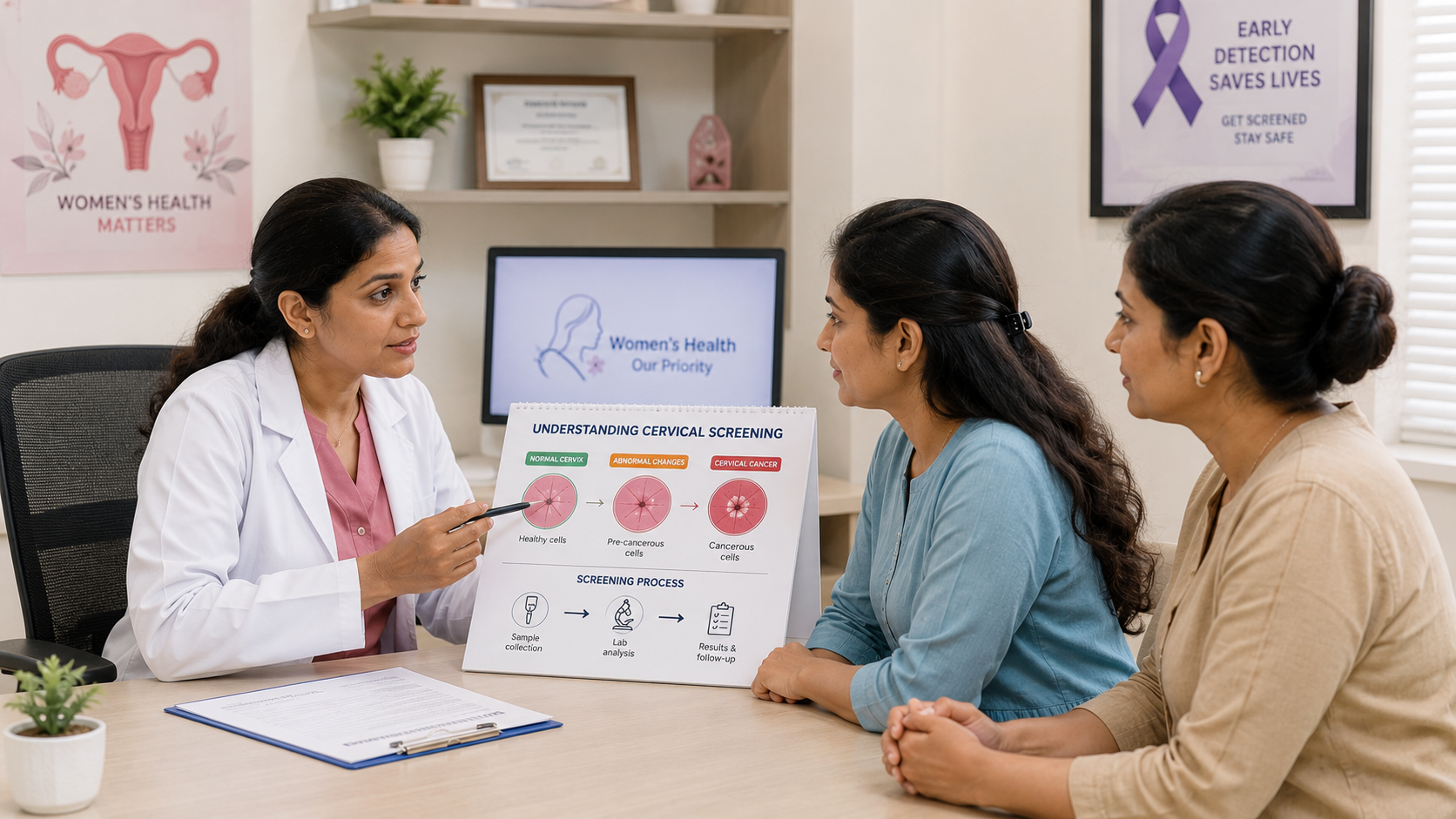
Cervical cancer often begins with precancerous changes in cervical cells. These changes can be identified through routine screening tests long before cancer develops.
Early detection offers:
This is why regular gynecological check-ups are extremely important.
Many women experience no symptoms initially. However, as the condition progresses, certain warning signs may appear.
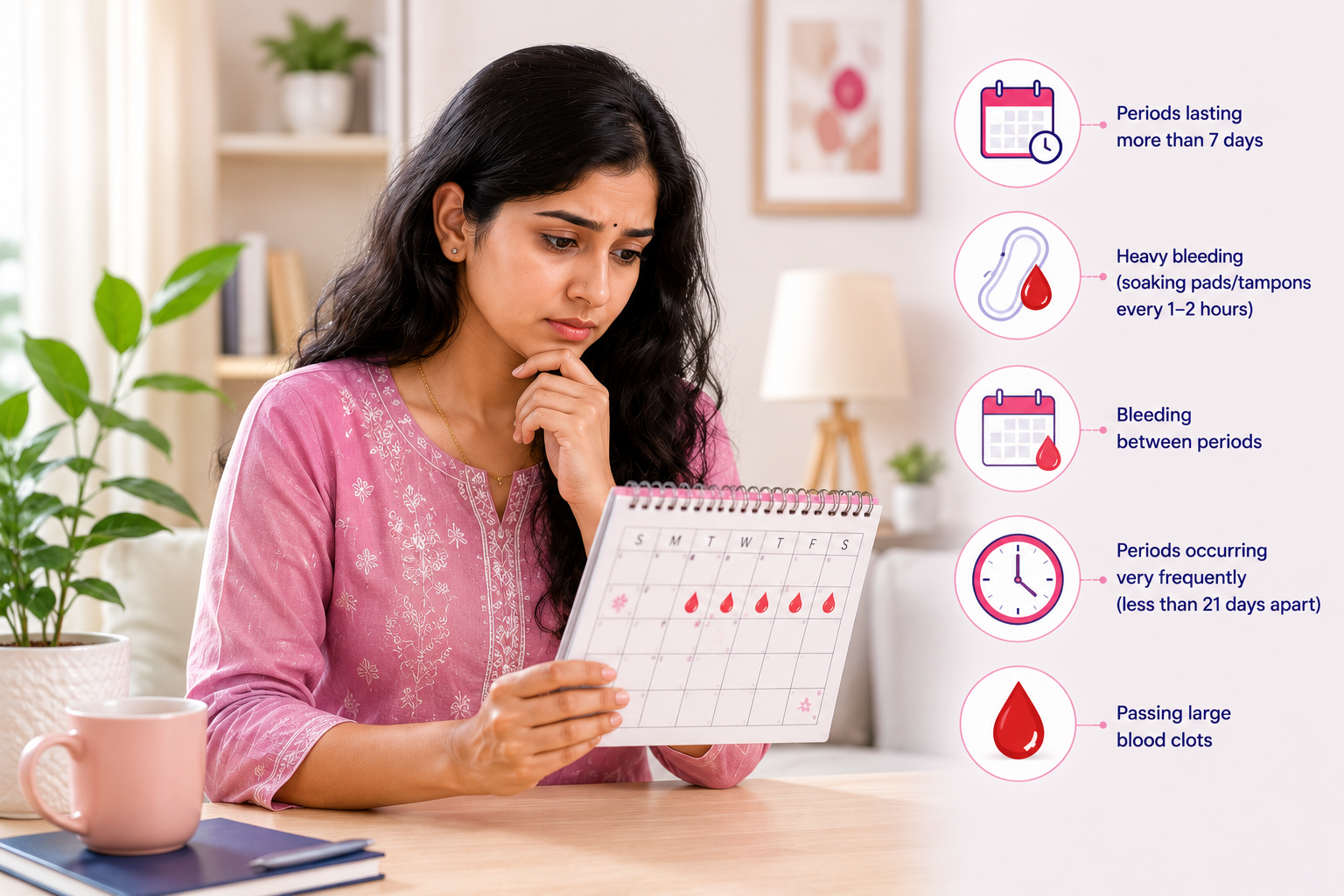
One of the most common early signs of cervical cancer is abnormal vaginal bleeding.
This may include:
Any unexplained bleeding should be evaluated by a gynecologist.

Persistent vaginal discharge that differs from your normal pattern may require medical attention. Warning signs include:
Pain or discomfort during intercourse can sometimes be associated with cervical abnormalities.
Although there are many possible causes, persistent pain should be evaluated by a healthcare professional.

Unexplained pelvic pain that occurs frequently or persists for long periods may be a warning sign.
Women may experience:
Persistent pelvic discomfort warrants medical evaluation.

As cervical cancer progresses, it may affect nearby tissues and cause urinary symptoms.
These can include:
Such symptoms should be assessed by a doctor, especially when persistent.

Certain factors increase the risk of developing cervical cancer.
These include:
Having risk factors does not mean cancer will develop, but it highlights the importance of regular screening.

Regular screening plays a crucial role in detecting precancerous changes before symptoms appear.
Common tests include:
Detects abnormal cervical cells before they become cancerous.
Identifies high-risk HPV infections associated with cervical cancer.
A detailed examination of the cervix if abnormal results are found.
Yes. Cervical cancer is one of the few cancers that can often be prevented.
Prevention strategies include:
Vaccination and screening together provide the strongest protection.

Consult a gynecologist if you experience:
Early medical attention can lead to early diagnosis and better treatment outcomes.
Abnormal vaginal bleeding is one of the most common early symptoms, although some women may have no symptoms initially.
Yes. Early cervical cancer often causes no symptoms, which is why regular screening is important.
Screening recommendations vary based on age and medical history. Your gynecologist can guide you on the appropriate schedule.
No. Most HPV infections clear naturally, but persistent high-risk HPV infections can increase cervical cancer risk.
Cervical cancer is highly treatable when detected early. Paying attention to symptoms, attending regular screenings, and discussing any concerns with your gynecologist can make a significant difference.
Awareness is the first step toward prevention. Every woman should prioritize cervical health and seek medical advice whenever something feels unusual.
Looking for a reliable Gynecologist Surgeon in Belagavi?
Dr Muktha V M Alkunte
MBBS, DGO, DNB
With years of experience in women's health, Dr. Muktha V. M. Alkunte provides comprehensive care in pregnancy, hormonal wellness, and preventive gynecology.
Consult Now at Unicare Hospital, Belagavi
Unicare Hospitals is dedicated to women's care through trusted expertise and compassionate service.
Visit: www.unicarehospital.com
Call: 8088 814705
WhatsApp: +91 83131 00119
Address: Shahapur, Belagavi
