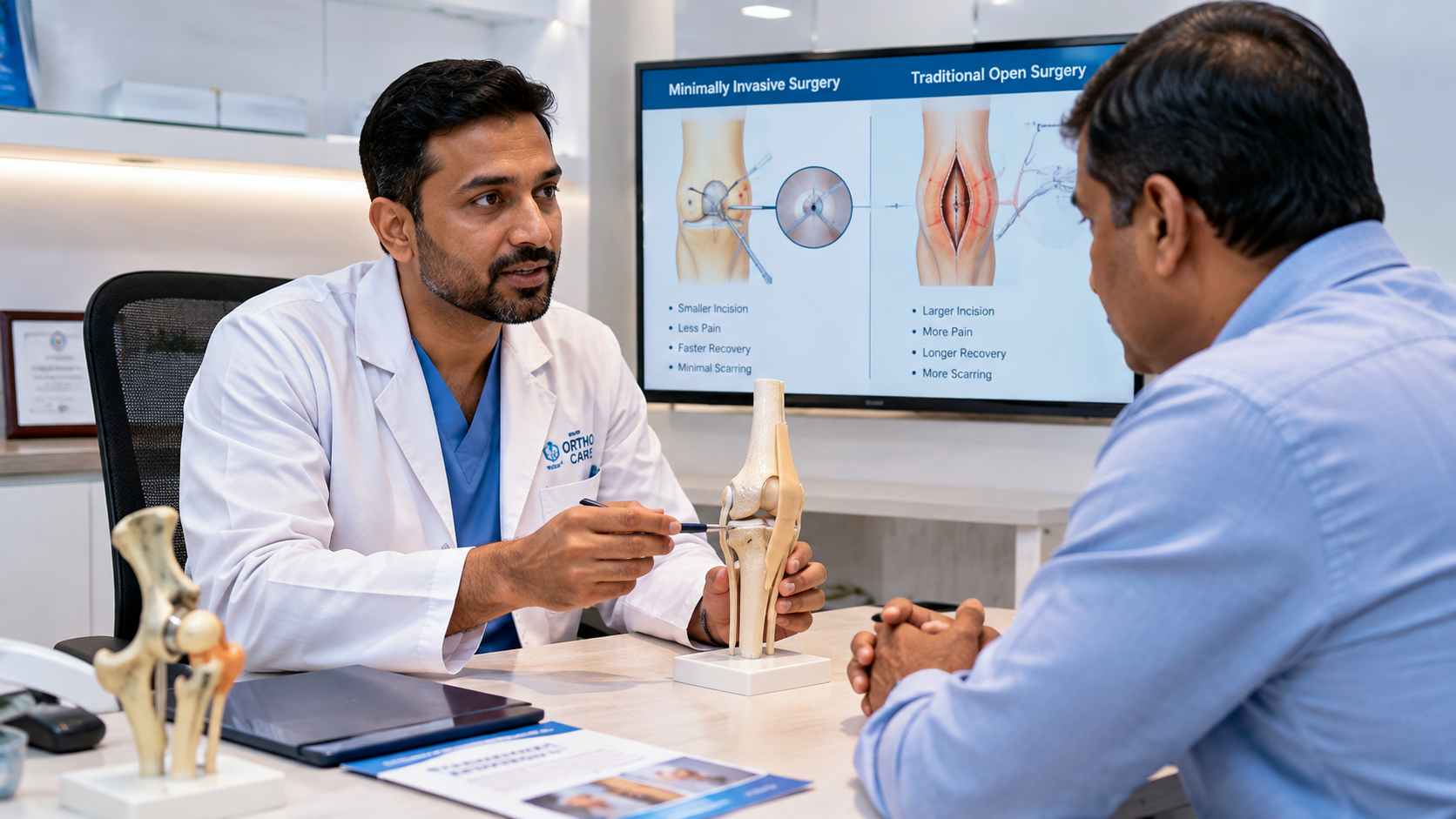
Orthopedic surgery has advanced significantly, and many bone and joint conditions can now be treated through minimally invasive orthopedic surgery. Instead of making a large incision, surgeons use smaller incisions and specialized instruments to treat the affected area.
For suitable patients, this approach may reduce tissue damage and support a smoother recovery. However, the best surgical technique depends on the condition, injury, and individual patient.
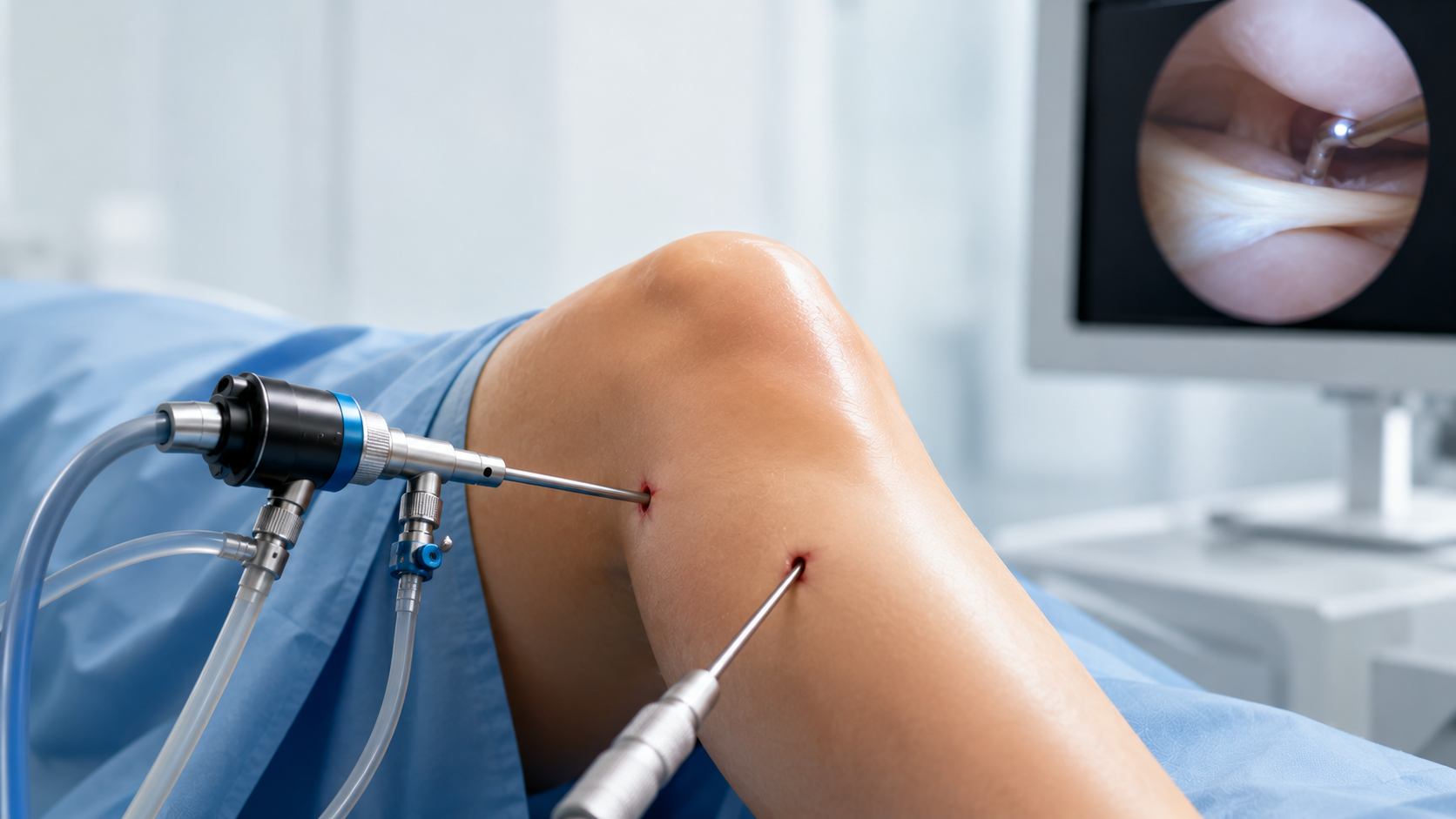
Minimally invasive orthopedic surgery uses small incisions, specialized instruments, and in some procedures a camera to access and treat bones or joints while minimizing disruption to surrounding tissues.
Common examples include knee arthroscopy, shoulder arthroscopy, ACL reconstruction, and selected spine and joint procedures.
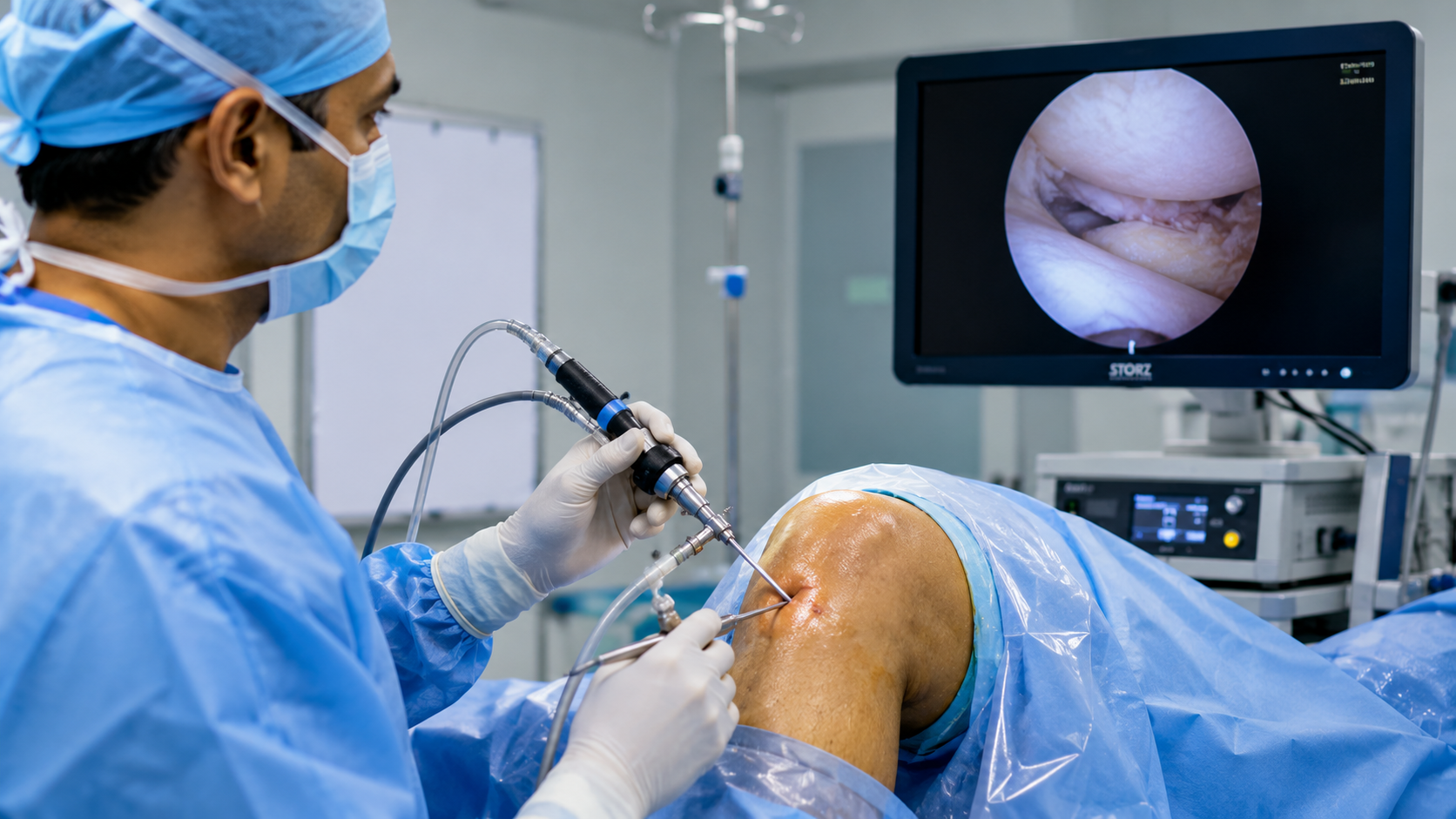
Traditional open surgery may require a larger incision to access the affected area. Minimally invasive techniques generally use smaller incisions, resulting in smaller surgical wounds and scars.
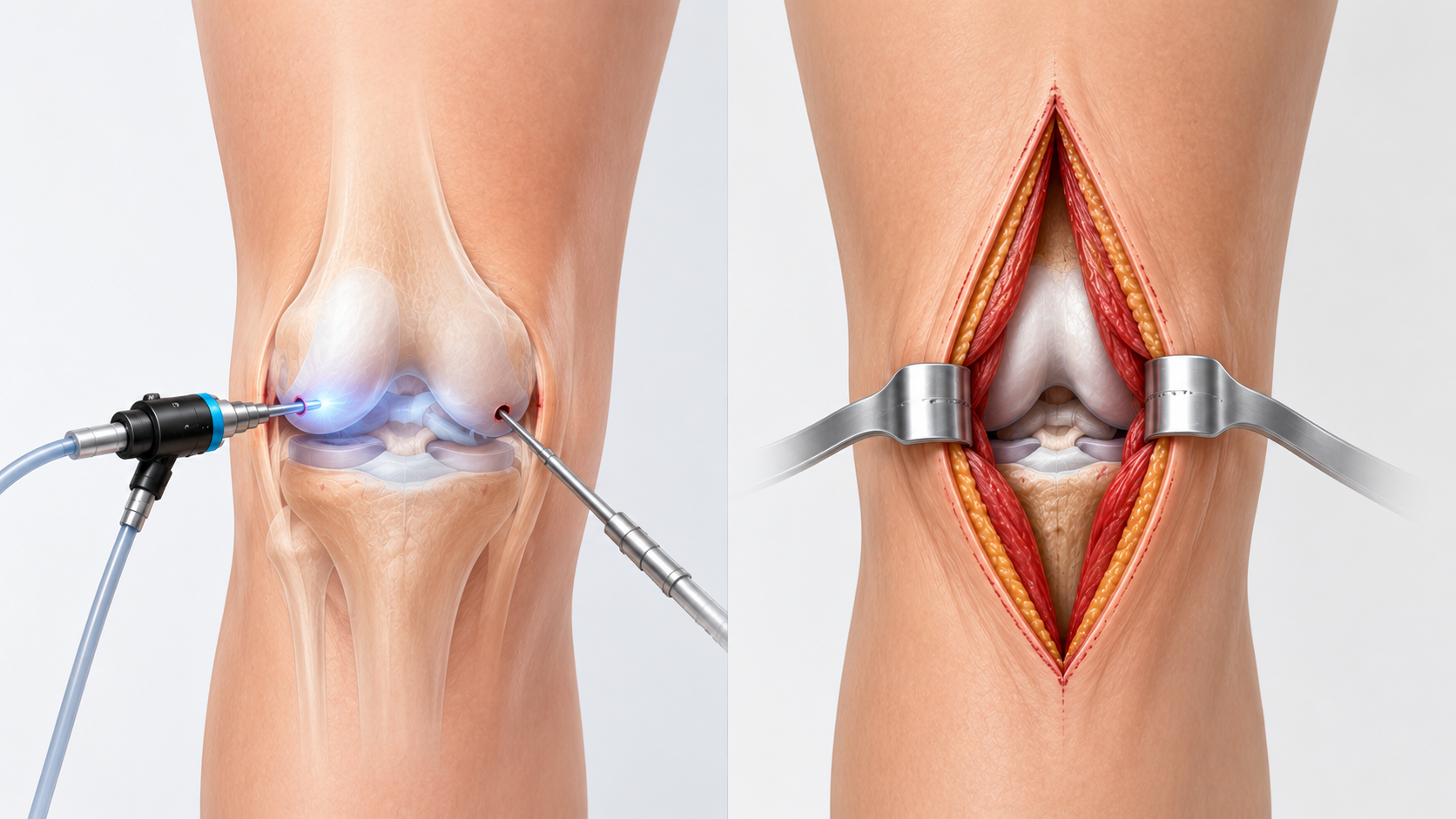
Smaller surgical approaches may reduce disruption to nearby muscles and other soft tissues. This can help decrease postoperative discomfort in appropriately selected procedures.
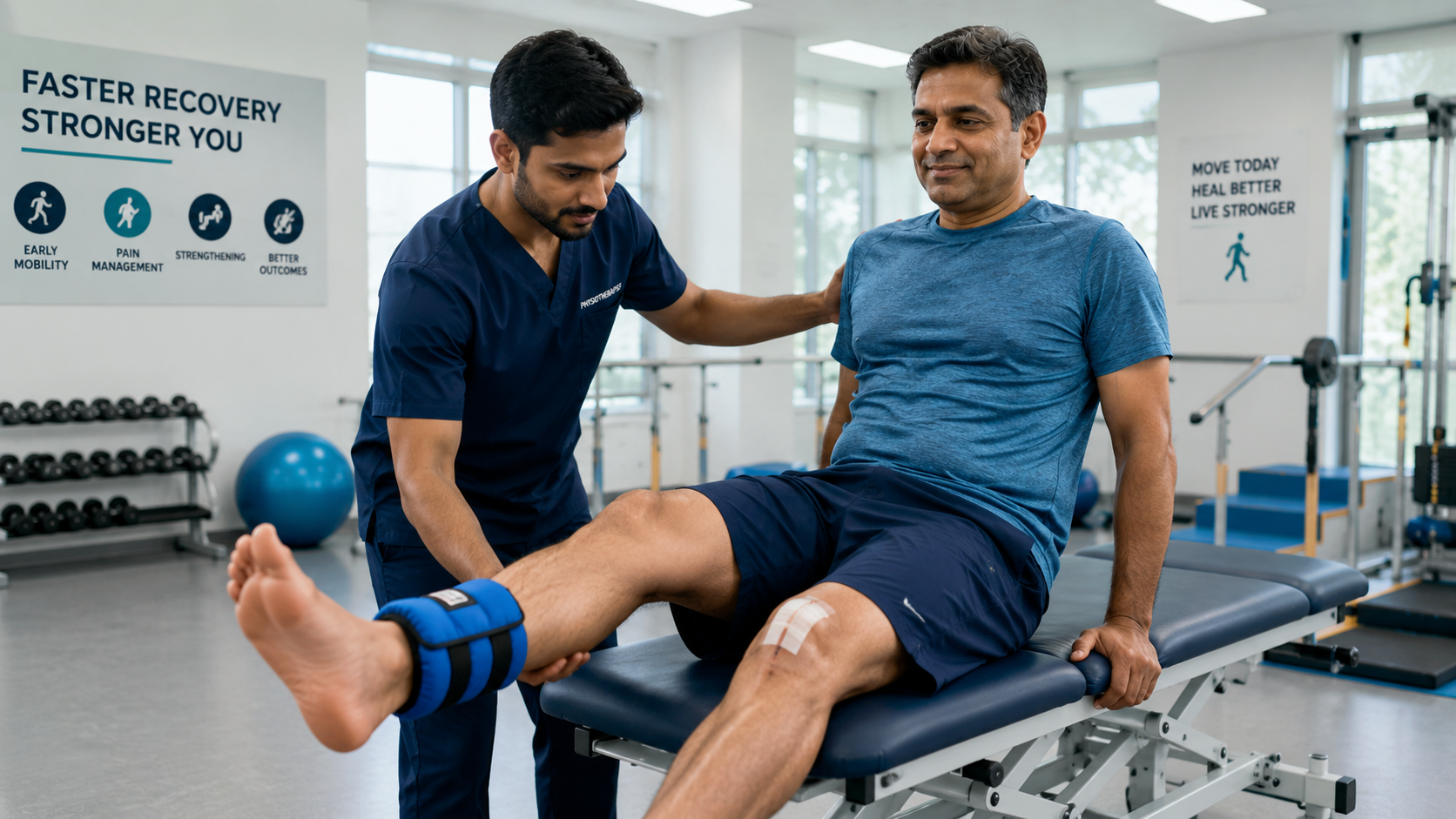
Less soft-tissue disruption may allow some patients to begin rehabilitation and return to everyday activities sooner. Recovery time still depends on the type of surgery, injury severity, age, and overall health.
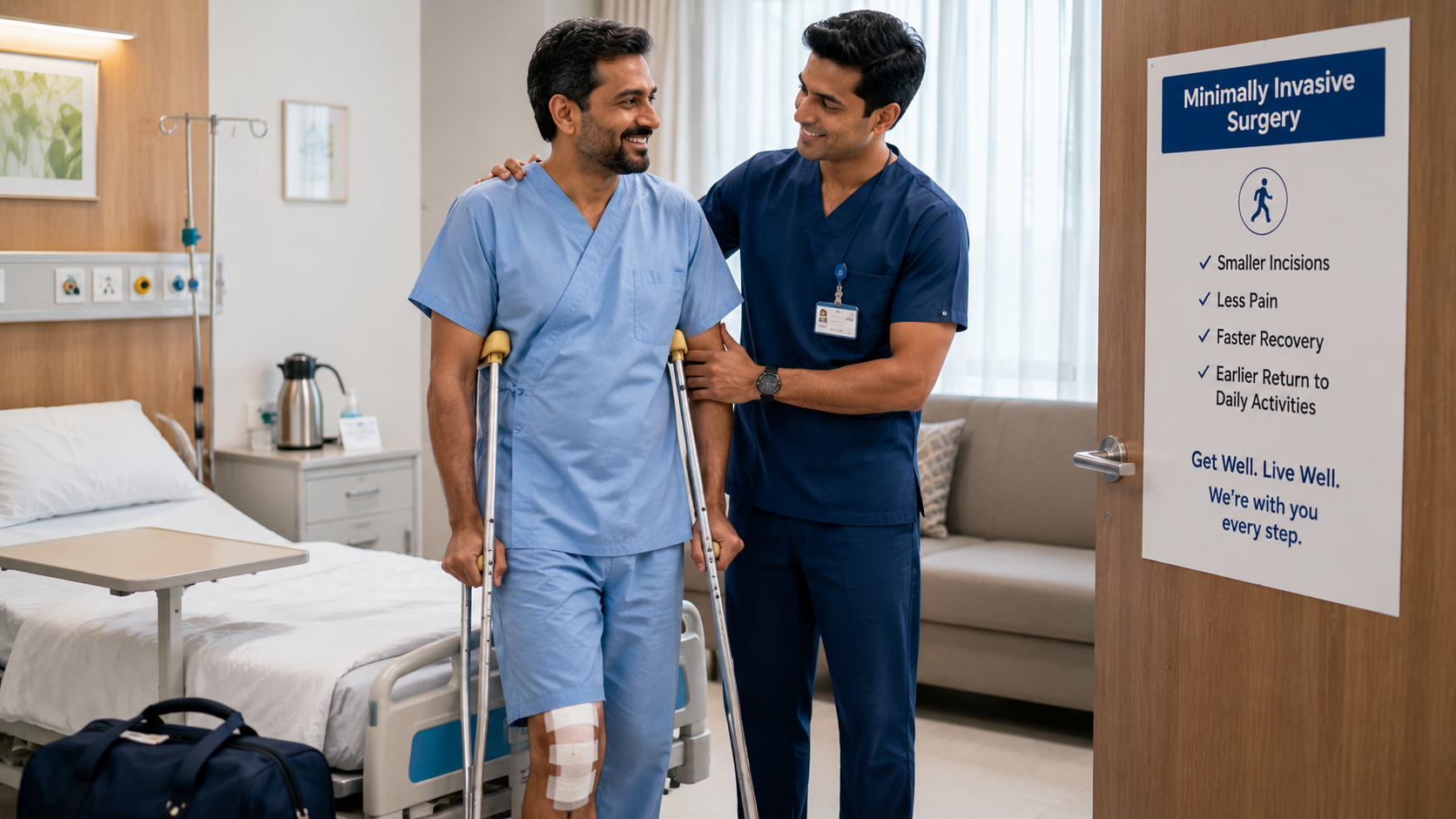
Some minimally invasive orthopedic procedures can be performed as day-care surgery or with a shorter hospital stay. This depends on the procedure and the patient's medical condition.
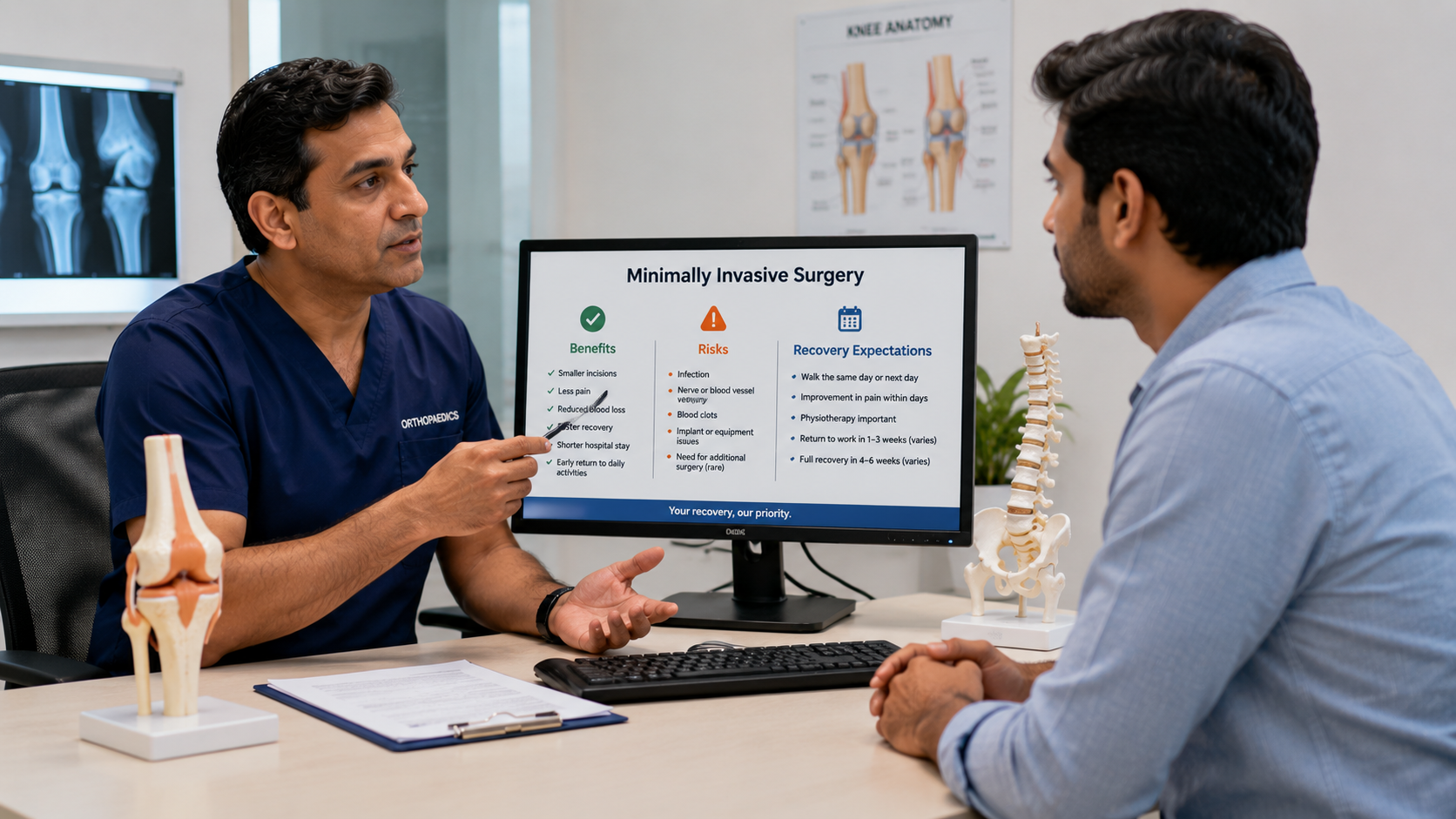
Smaller incisions and reduced tissue exposure may lower the risk of certain wound-related complications in some procedures. However, minimally invasive surgery still carries risks such as infection, bleeding, blood clots, nerve injury, and procedure-specific complications.
| Factor | Minimally Invasive Surgery | Traditional Open Surgery |
|---|---|---|
| Incision | Usually smaller | Usually larger |
| Tissue disruption | Often less | May be greater |
| Scarring | Usually smaller | May be more noticeable |
| Recovery | Will be faster | May take longer |
| Hospital stays | Will be shorter | Depends on procedure |
| Suitability | Selected conditions | May be necessary for complex cases |
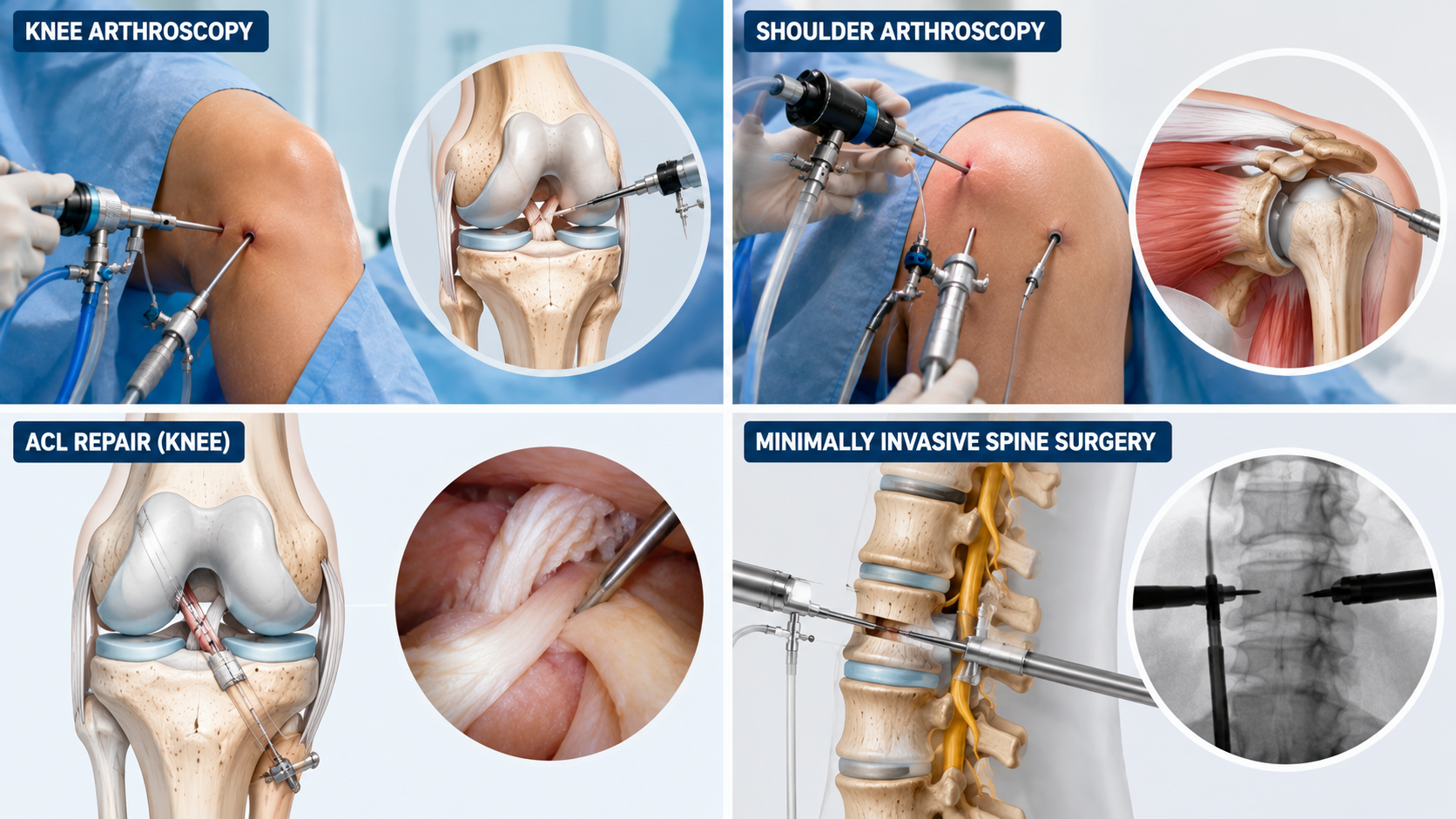
Depending on the diagnosis, minimally invasive techniques may be used for:
An orthopedic surgeon must determine whether a minimally invasive approach is appropriate.
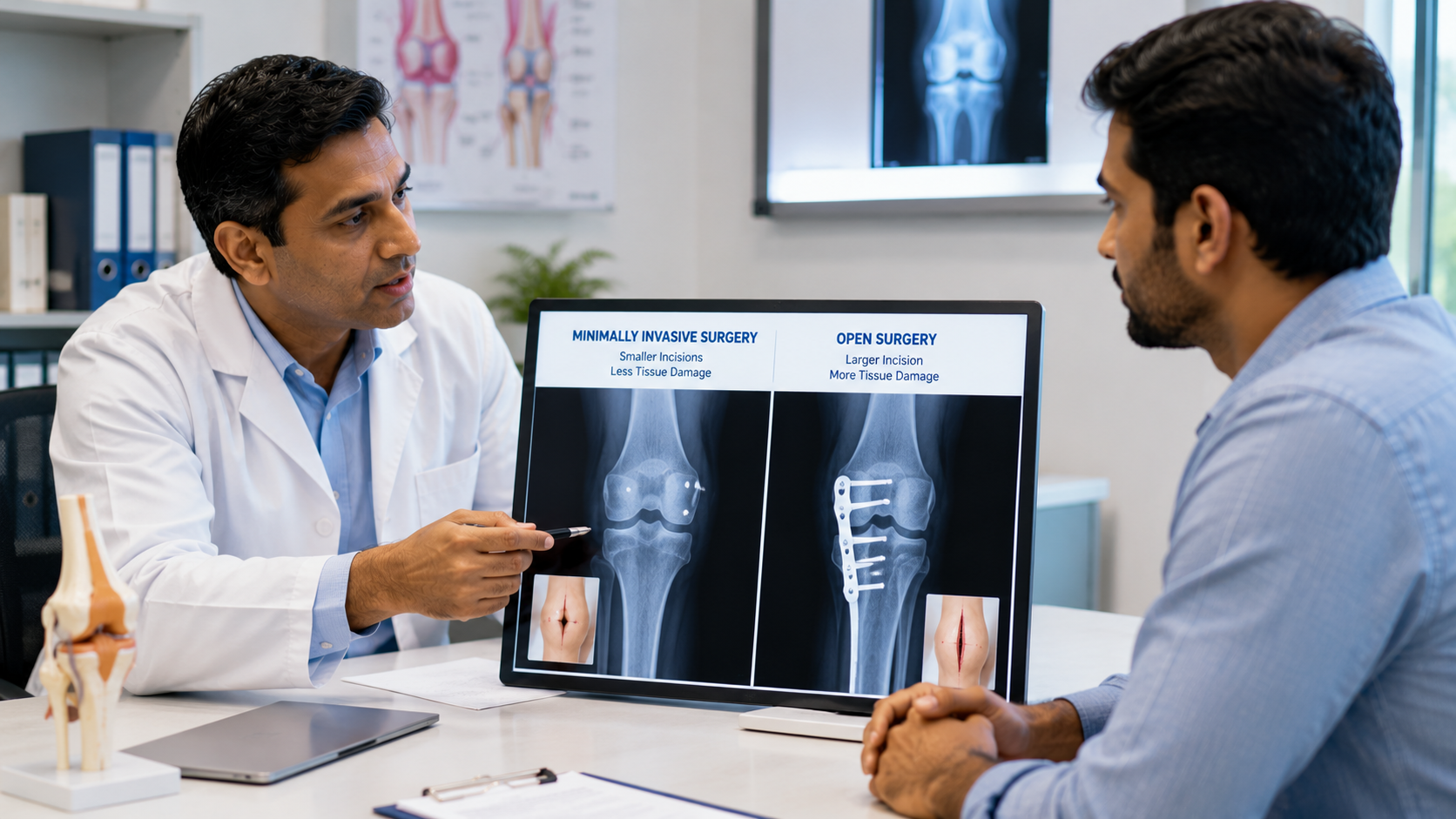
No. Minimally invasive surgery is not automatically better for every orthopedic condition. Complex fractures, severe deformities, advanced joint damage, or certain revision surgeries may require a traditional open approach.
The goal is to choose the procedure that provides the safest and most effective outcome, rather than simply choosing the smallest incision.

Some patients experience less postoperative discomfort because smaller incisions and reduced tissue disruption may be involved.
Recovery can be faster for some procedures, but it depends on the condition, surgery, and individual patient.
Yes. Arthroscopy uses a small camera, and specialized instruments inserted through small incisions to diagnose or treat joint problems.
No. Some complex conditions are treated safely and effectively with traditional open surgery.
Minimally invasive orthopedic surgery can offer important benefits, including smaller incisions, reduced tissue disruption, potentially faster recovery, shorter hospital stays, and smaller scars.
But it is not the right choice for every patient. An experienced orthopedic surgeon can evaluate your condition and recommend whether minimally invasive surgery or traditional surgery offers the best outcome.
Looking for a reliable Orthopedic Surgeon in Belagavi?
Dr Pavan Alkunte MBBS, D-Ortho, DNB Ortho, FIAS, FIJS
With 14+ years of experience, Dr. Pavan Alkunte offers personalized treatment in Orthopedic Sports Medicine, Arthroscopy, Joint Replacement Surgery, and related orthopedic conditions.
Consult Now at Unicare Hospital
Visit: www.unicarehospital.com
Call: 8088 814705
WhatsApp: +91 83131 00119
Address: Shahapur, Belagavi
